Bra Shopping After 50: 7 Mistakes Women Make — and How to Avoid Them
Bra shopping should not be this hard. And yet for millions of women — particularly those with fuller busts, and particularly those over 50 — it has become an exercise in frustration. Wrong fits. Disappointing purchases. Bras that seemed fine in the store and failed by noon. A growing pile of expensive mistakes at the back of the drawer.
Most of these problems trace back to the same handful of mistakes — mistakes that are completely fixable once you know what to look for.
Here are the seven most common ones.
Mistake 1: Assuming Your Size Hasn't Changed
This is the most common and the most costly mistake.
Bra size is not fixed. Breast tissue changes with age, hormonal shifts, weight fluctuations, and the effects of gravity over time. The size you've worn for the past decade may no longer be accurate — and wearing the wrong size affects everything: comfort, support, shape, and even posture.
The general rule: get properly measured every 12 to 18 months, or any time your body changes significantly. If it's been longer than that since your last fitting, assume your size has changed and start fresh.
What to do instead: Measure yourself at home using a soft tape measure, or book a free sizing consultation. Don't let an old number become a self-fulfilling limitation.

Mistake 2: Trusting US Chain Store Fittings
Many US retailers still use an outdated fitting method — the "add 4 to 6 inches to your underbust measurement" formula — that consistently produces band sizes that are too large and cup sizes that are too small.
A too-large band can't anchor properly. A too-small cup doesn't fully encircle the breast. The result is a bra that redistributes weight onto the straps, causes shoulder grooves, and fails to support the way it should.
This method persists because larger bands are easier to fit across more body types and require fewer SKUs on the floor. It's a retail convenience, not a fitting standard.
What to do instead: Use the direct measurement method — measure your underbust snugly in inches for your band size, and measure your bust at the fullest point. The difference between the two determines your cup size. European sizing uses this method and tends to be significantly more accurate for fuller busts.
Mistake 3: Shopping in Stores That Cap Out at DDD
If your local department store stops at DDD, you're shopping in a pool that excludes a significant portion of the size range where many women over 50 actually fit.
Breast tissue redistributes and softens after menopause. Many women find they need a larger cup size — F, G, H, or beyond — than they wore in their 30s and 40s. If the store doesn't carry those sizes, you're fitting from whatever's available rather than from what actually fits.
What to do instead: Shop from retailers who carry the full size range, including F through M cup. European bra brands carry these sizes as standard — not as special orders or afterthoughts.

Mistake 4: Wearing a Bra Long Past Its Lifespan
Bra elastic degrades. The average bra has a functional lifespan of 6 to 12 months with regular wear, or up to 18 months if rotated carefully and hand-washed. After that, the band loses its tension, the underwire may shift, and the bra provides significantly less support than it did when new — even if it still looks fine..






Many women continue wearing bras for two, three, or even five years. By that point, the bra they think is supporting them is doing very little structural work at all.
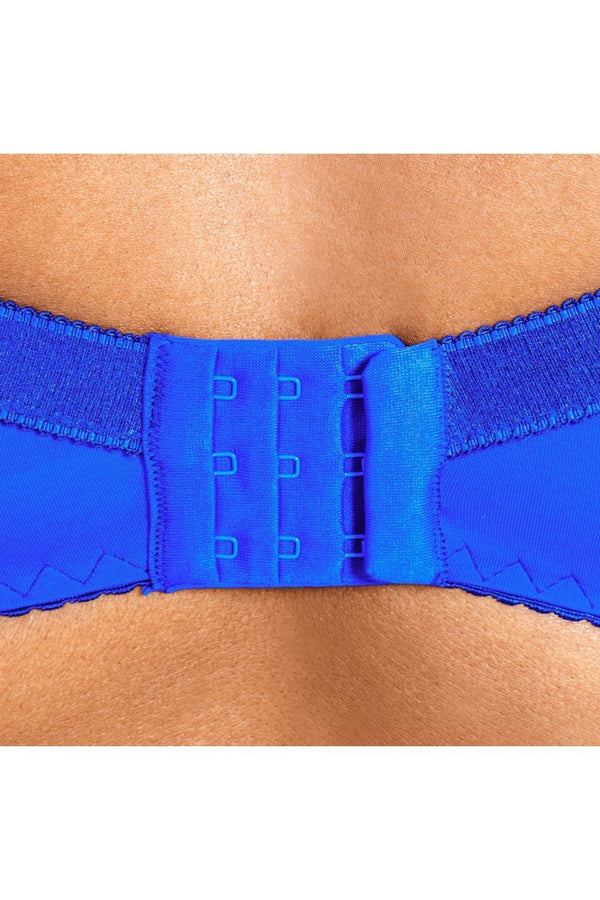
What to do instead: Check your bra on the loosest hook. A new bra should fit correctly on the loosest hook — as the elastic relaxes over months of wear, you move to tighter hooks to compensate. When you've run out of hooks, the bra has run out of life.
Mistake 5: Buying for Looks Alone — or Function Alone
The false trade-off between beautiful and supportive has led many women into two equally unsatisfying extremes: the pretty bra that does nothing, or the industrial bra that works but makes you feel like you're wearing scaffolding.
Neither is necessary. For women with larger busts, the right bra does both — but you have to know where to look for it.
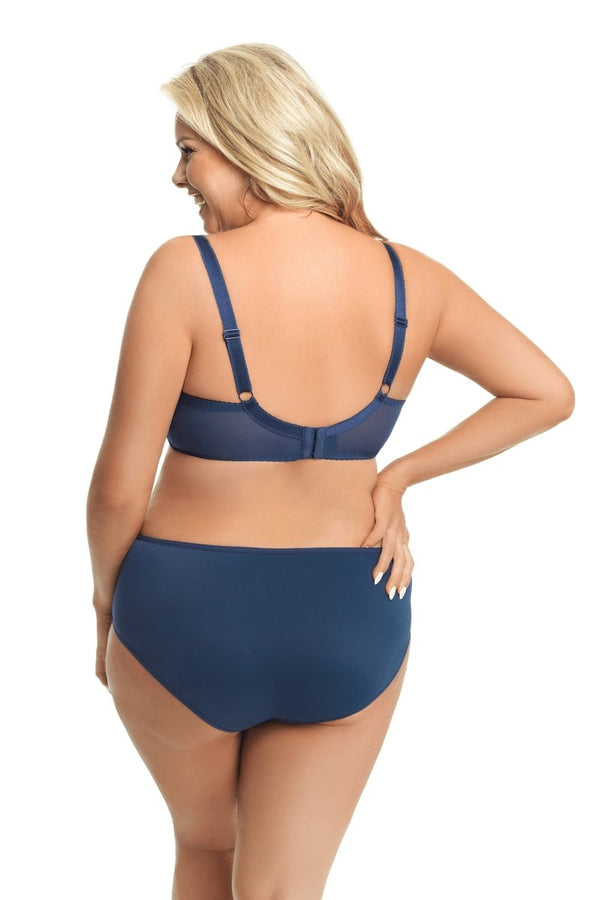
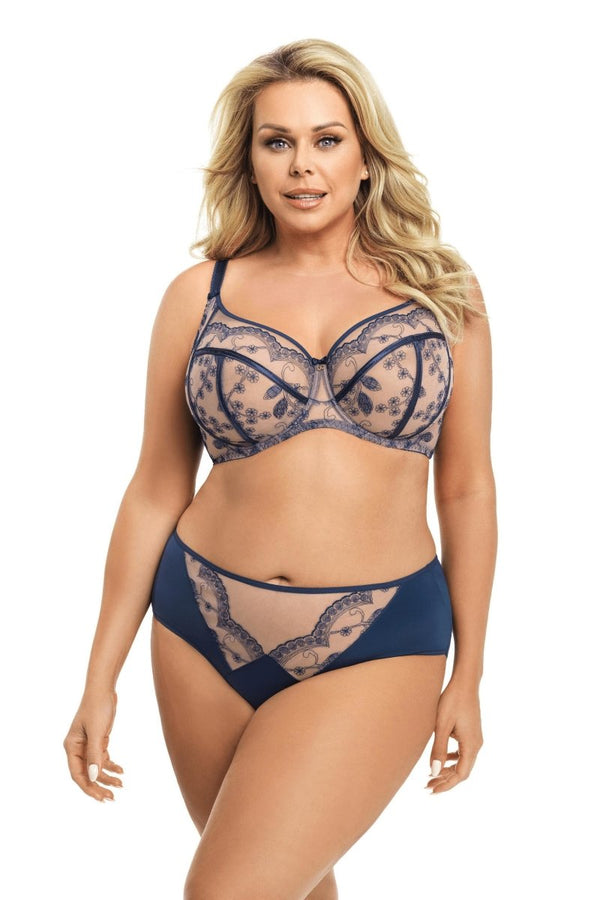
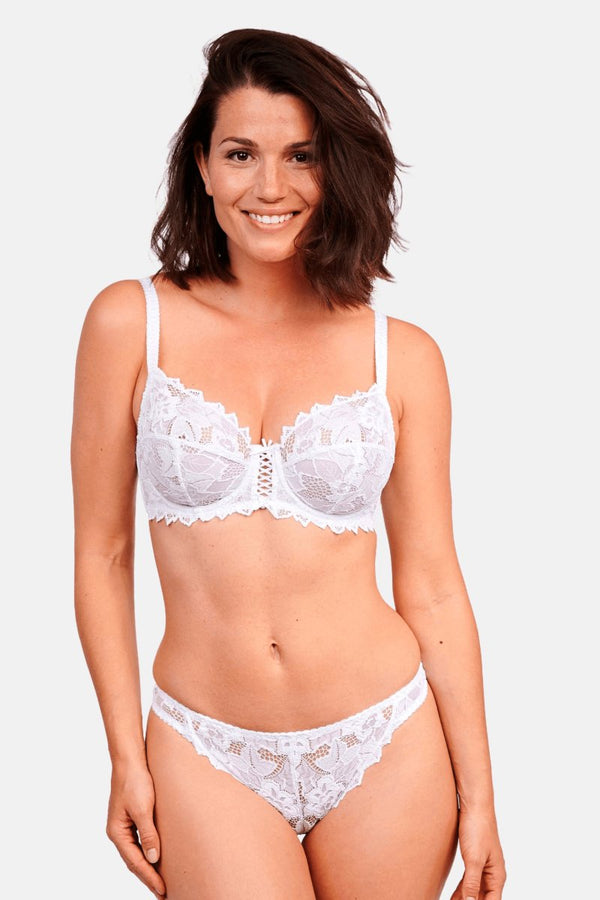
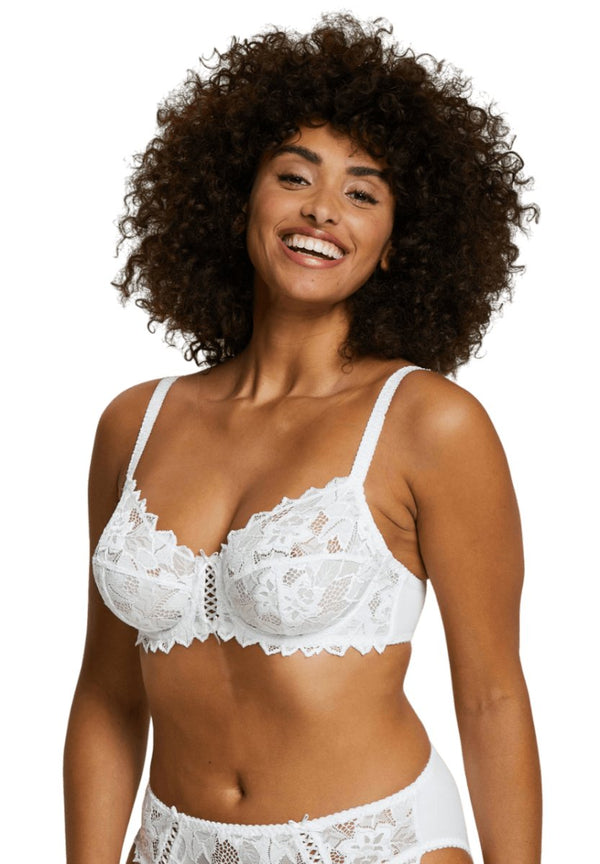
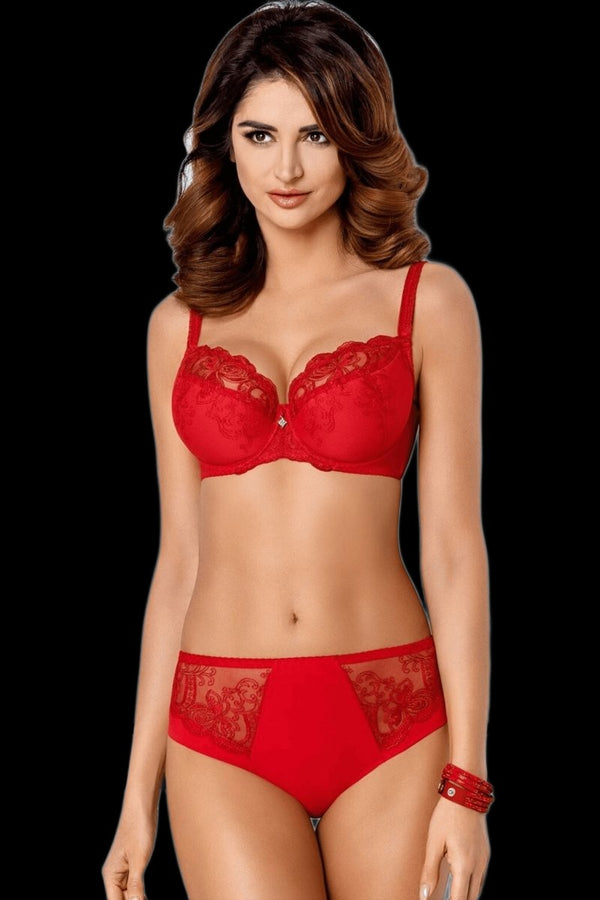
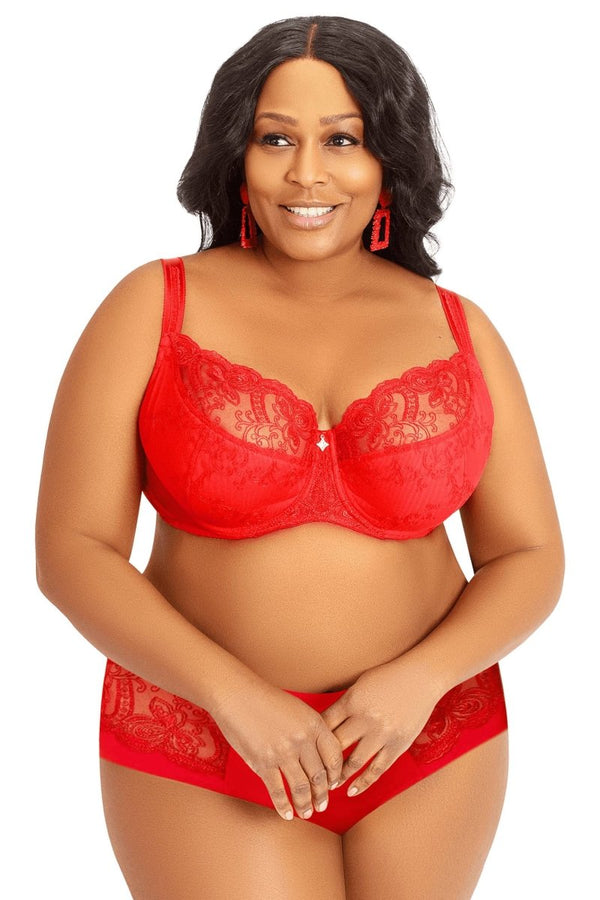
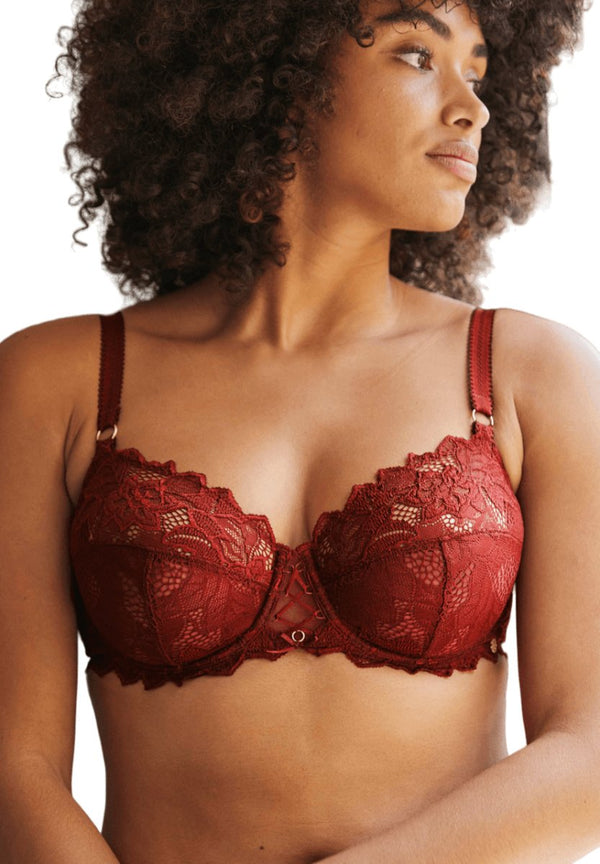
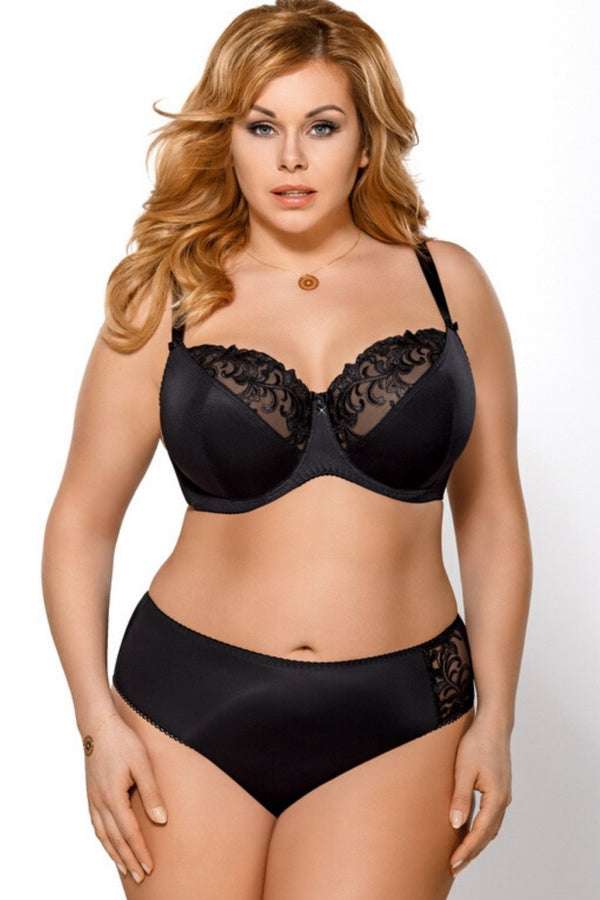
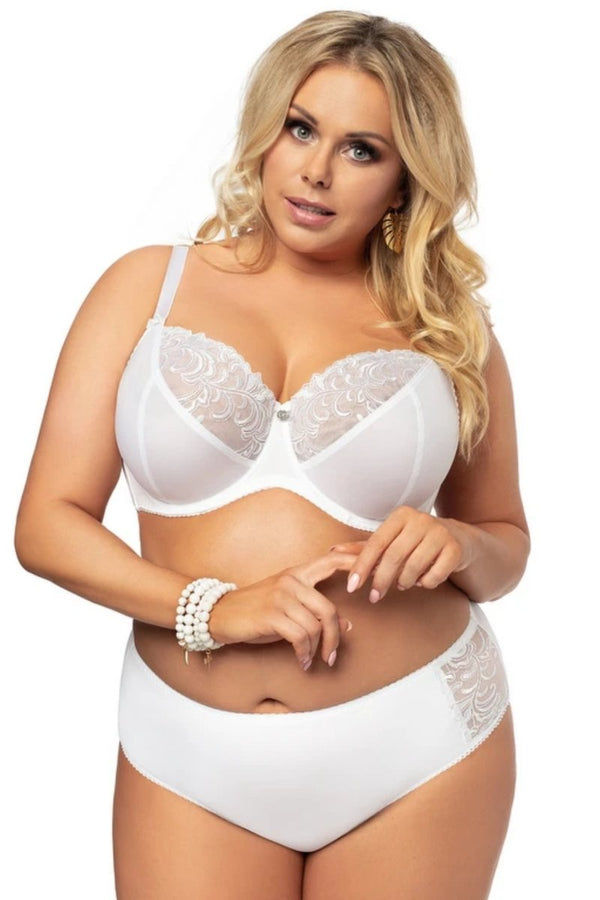
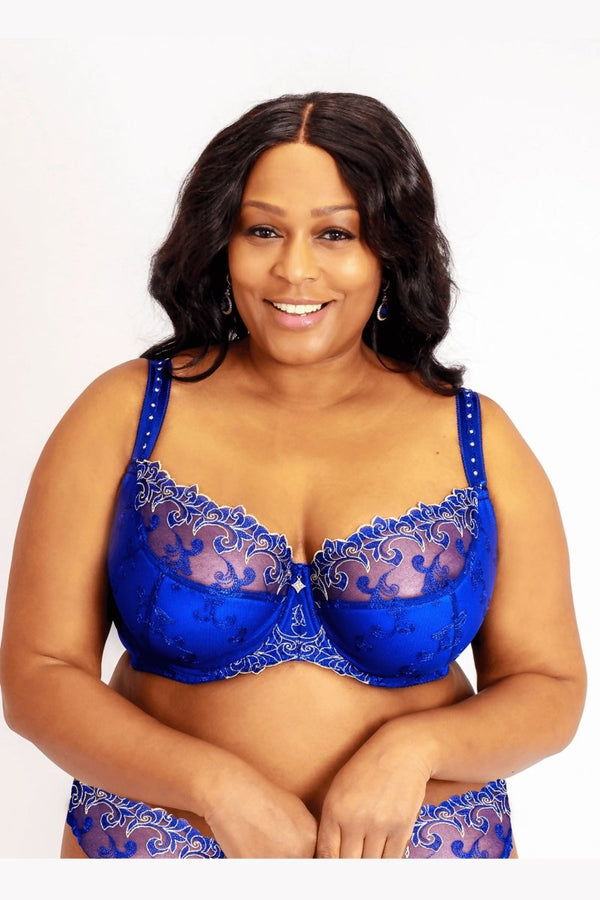
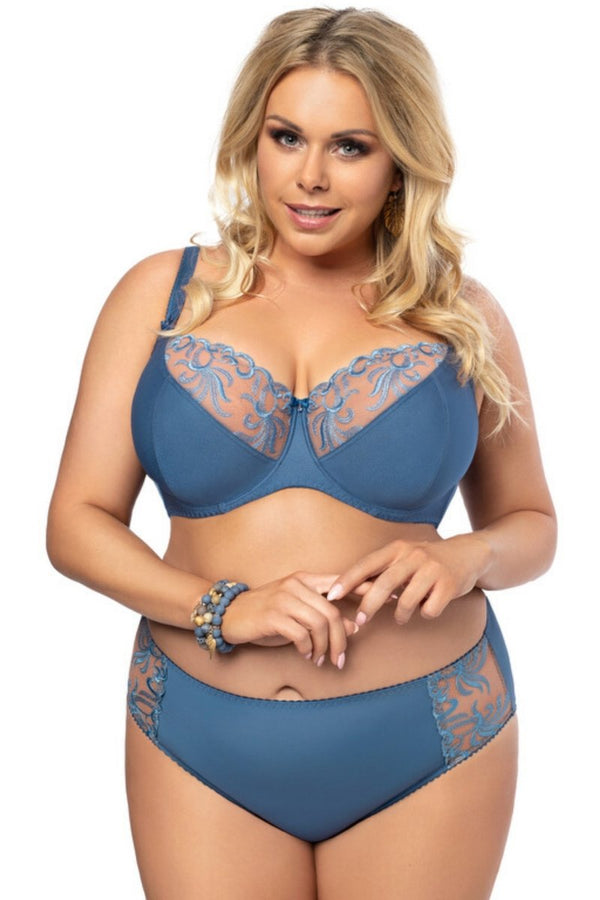
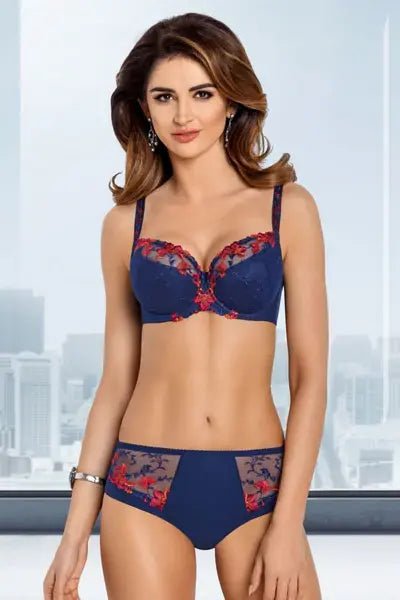
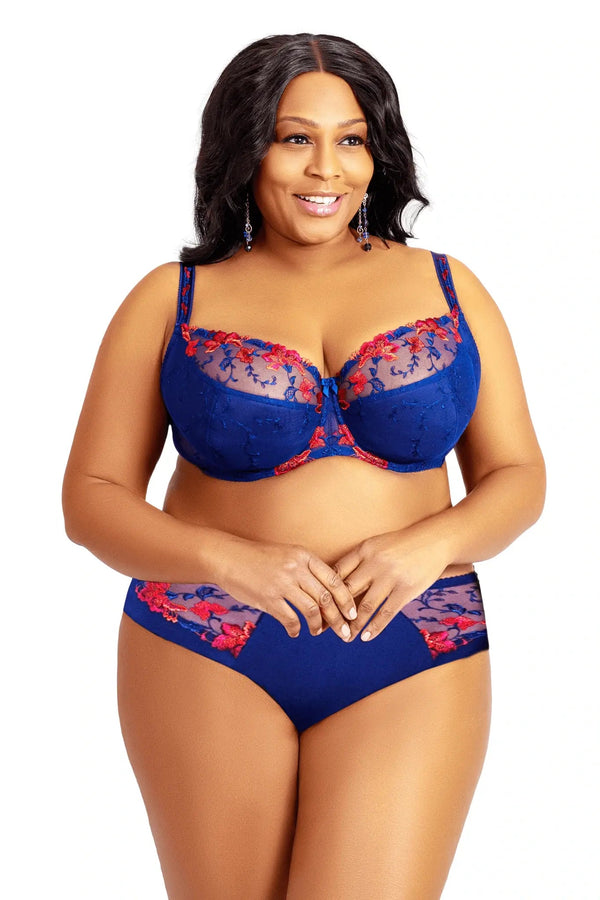
What to do instead: Look specifically for European-made fuller-bust bras. Polish and French lingerie makers engineer for both simultaneously. A well-made lace bra in an H cup can be just as beautiful as anything in a C cup — and properly supported.
Mistake 6: Ignoring Cup Shape in Favor of Cup Size
Cup size (D, F, G, H) tells you the volume of the cup. Cup shape — how projected it is, how wide, how full at the top — tells you whether it will actually match your breast shape. Two bras in the same size can fit completely differently depending on cup geometry.
Women with fuller, softer breasts after 50 often need more projection depth and fuller coverage at the top of the cup — details that vary significantly between brands and constructions.
What to do instead: When a cup gaps at the top or causes side spillage despite being the "right" size, the issue is cup shape, not cup size. Try a different construction — particularly multi-part sewn cups versus molded single-piece cups.
Mistake 7: Not Using the Lean-Forward Test When Fitting
Most women put a bra on standing straight up and assess the fit from there. But the lean-forward test is one of the most reliable indicators of whether a bra will actually work throughout the day.
Lean forward at the waist so your torso is roughly parallel to the floor, and scoop all breast tissue fully into the cups. Then stand up and fasten. If the bra fits correctly, the cups will be full but not overflowing, the band will sit flat, and everything will feel anchored.
If tissue immediately spills out of the top or sides, the cup is too small or too shallow. If the cups wrinkle or gap, the cup is too large or too projected for your shape.
What to do instead: Make the lean-forward-and-scoop a non-negotiable part of every bra fitting — in store, at home, every time.
Bra shopping doesn't have to be this hard — not when you know what you're looking for and where to find it.
If you'd like help navigating your size and finding a bra that actually works for your body right now, we offer free one-on-one sizing consultations. No quiz. No guessing. Just a real conversation.
[Schedule your free sizing consultation →] [How to measure your bra size at home →] [Browse supportive bras for fuller busts →] [Read: Best bras for women over 50 →]