Supportive Lace Bras in DDD, F, G and Beyond — A Buyer's Guide
If you wear a DDD cup or above, you already know: most of the lingerie world wasn't designed with you in mind.
Walk into a mainstream retailer and the lace bras — the beautiful ones, the ones in actual colors with actual detail — stop at D or DD. The DDD section, if it exists at all, tends toward thick padding, full coverage in the most utilitarian sense, and colors that range from beige to black with a brief detour through nude.
The implication is that once you reach a certain size, pretty and supportive are a trade-off. You can have one or the other.
This is not true. It's a market failure, not a physical one — and this guide exists to show you exactly what a genuinely supportive, genuinely beautiful lace bra looks like at DDD and well beyond, and what to look for when you're shopping for one.
What "Supportive" Actually Means at DDD and Above
Support in a bra is not about padding. It's not about how stiff the underwire feels when you squeeze it. It's about engineering — the structural relationship between band, cup, underwire, and side panel that determines whether your bra holds you through a full day or quietly gives up by noon.
Here's what genuine support looks like in a larger-cup lace bra:
Multi-part cup construction The cup is the most important structural element in a larger-cup bra. A single molded cup — standard in most mass-market bras — cannot adequately project, lift, and contain a DDD or larger breast without distortion. A well-engineered fuller-bust cup uses multiple sewn panels, typically four to six, each angled to serve a specific function: projection depth, upper cup fullness, side support, and lower cup anchoring.
This is why European lace bras look different on a full bust than their US counterparts — the multi-part construction creates genuine shaping rather than the distorted, projected-forward look of a molded cup at its limits.
U-shaped underwire with full encirclement The underwire should sit completely under and around your breast tissue — not on it. At DDD and above, a poorly designed underwire digs into breast tissue at the sides or chest wall at the center, causing discomfort and undermining lift. A proper U-shaped underwire follows the anatomical footprint of the breast, anchoring firmly to the ribcage and distributing lift evenly across the full base.
When an underwire fits correctly, you barely notice it. When it doesn't, you notice it constantly.
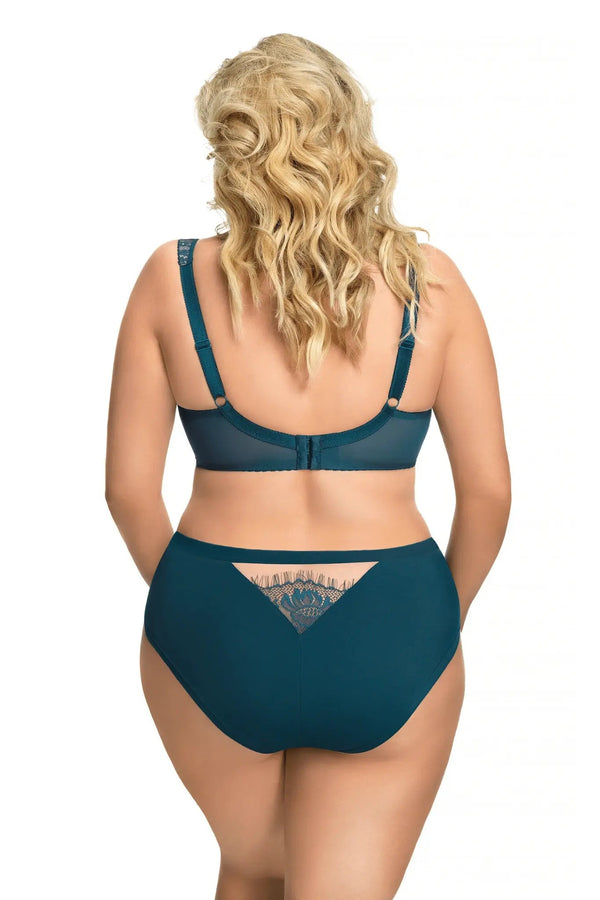
Structured side panels Side panels are the vertical fabric sections between the cup and the back band. In a well-engineered fuller-bust bra, these panels contain internal boning channels — thin, flexible supports that prevent the panel from collapsing inward during the day. This is what keeps breast tissue from migrating sideways out of the cup, and what keeps the bra sitting where you put it from morning to evening.
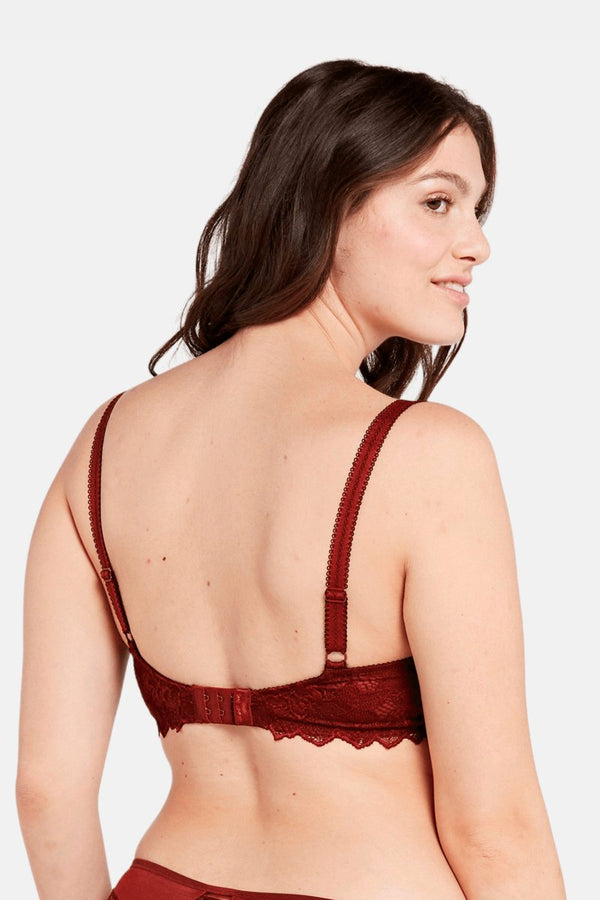
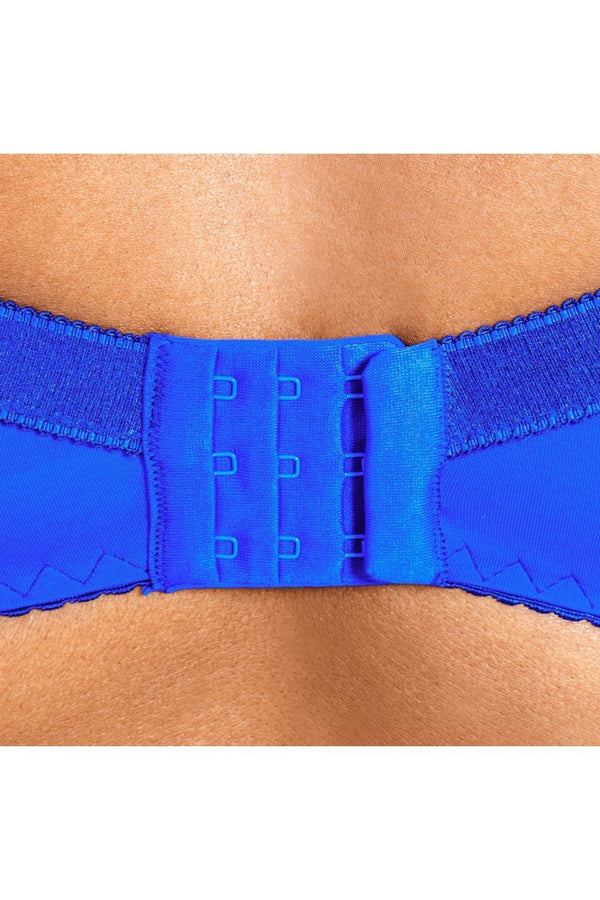
A band that actually anchors At DDD and above, band strength matters more than at smaller sizes because the weight being supported is greater. Look for bands with at least three hook-and-eye columns (more at larger band sizes), high-density elastic, and a width that distributes the load across your ribcage rather than concentrating it at a narrow strip.

What Makes a Lace Bra Different — and Why It Works for Fuller Busts
There's a persistent misconception that lace bras are inherently less supportive than padded or structured bras. At smaller cup sizes and with poorly made lace, this can be true. But a well-engineered unlined lace bra at DDD and above offers several genuine advantages:.






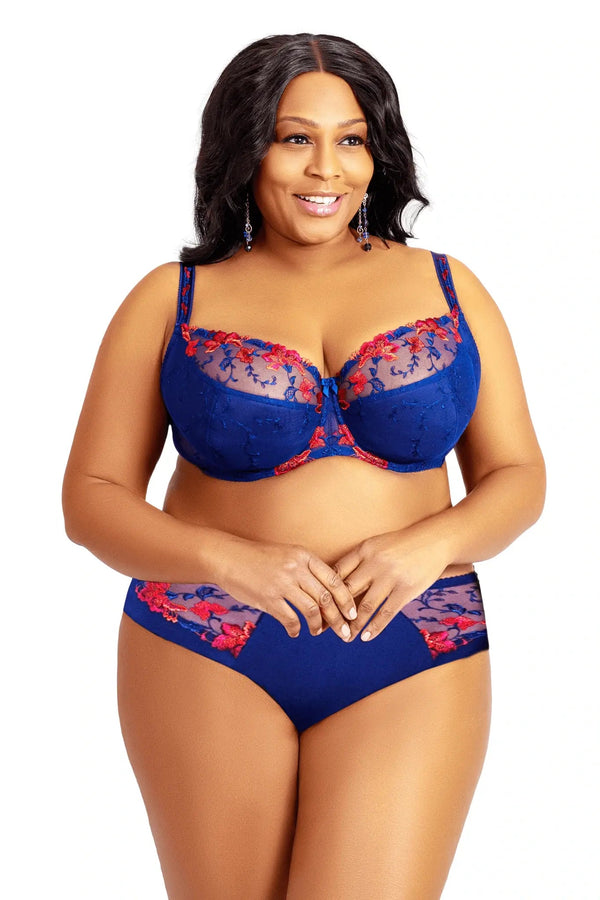
Woven lace breathes. For women who find padded bras hot and uncomfortable, an unlined lace cup with real breathability makes a significant difference in all-day comfort.
Woven lace moves with you. The stretch memory in quality woven lace means the cup adapts to your movement without losing its shape — unlike a rigid molded cup that either restricts movement or gaps when you move.
Woven lace is honest about fit. An unlined lace cup shows you exactly how the bra fits your breast — no padding masking gaps or spillage. If a lace bra fits well, it genuinely fits. This makes the feedback clearer and the fit more reliable.
Woven lace looks like lingerie. This matters. You deserve a bra that feels as good to look at as it does to wear.
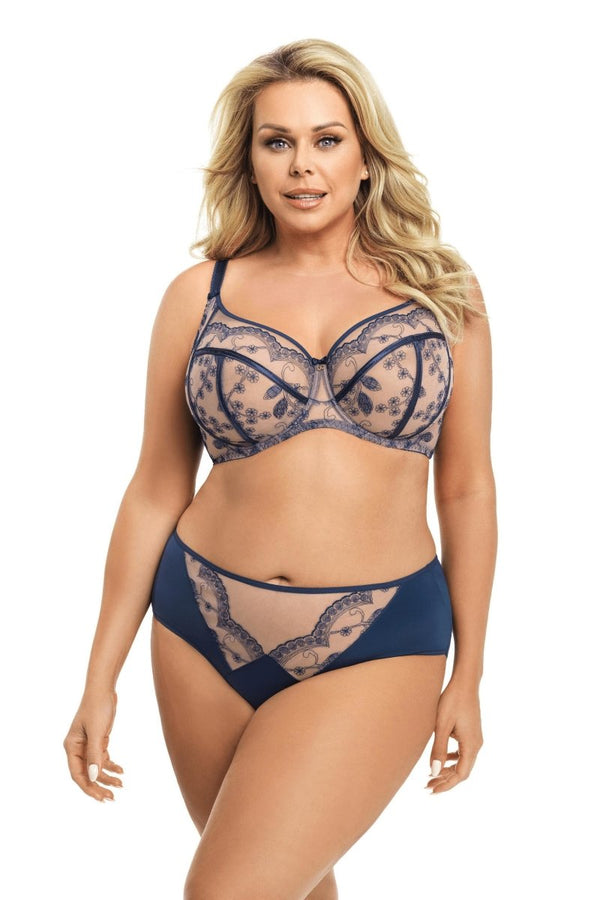
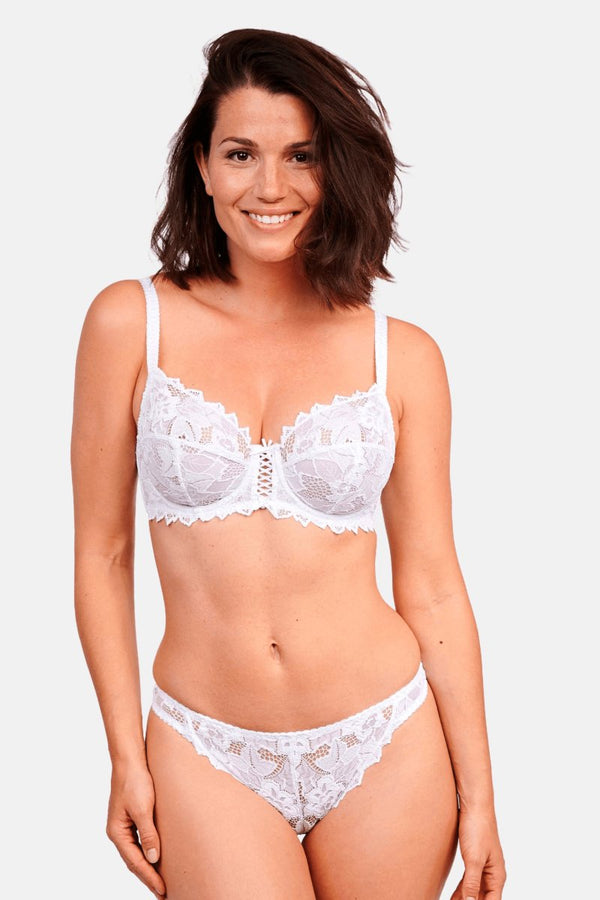
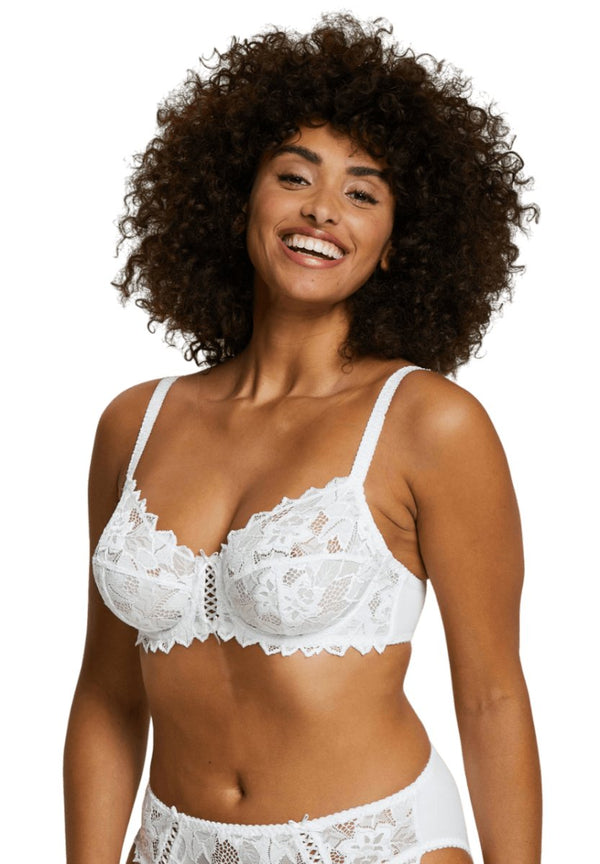
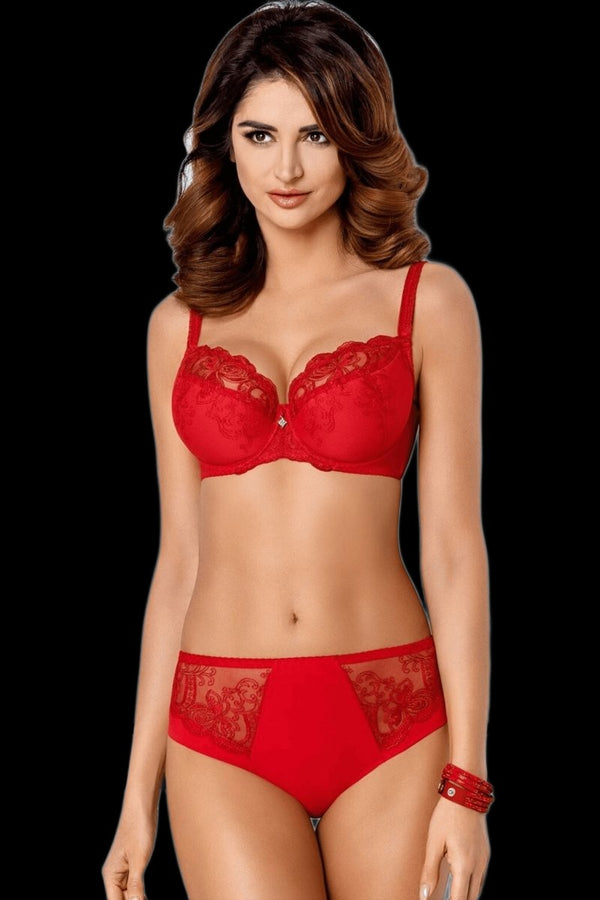
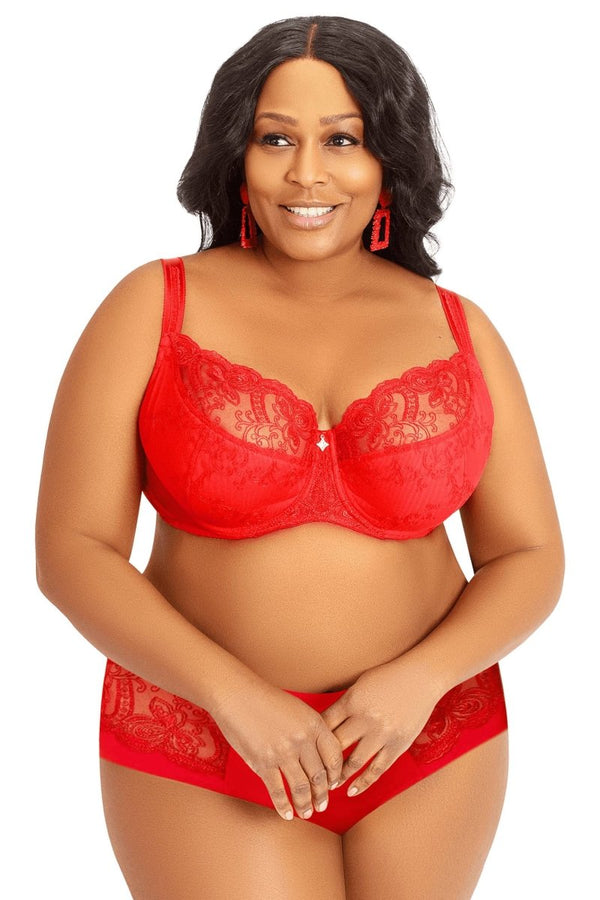
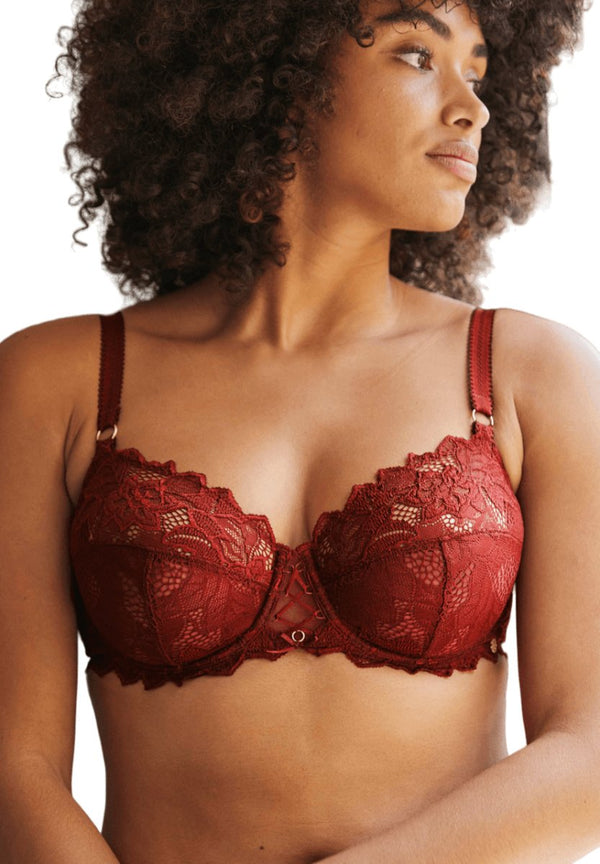
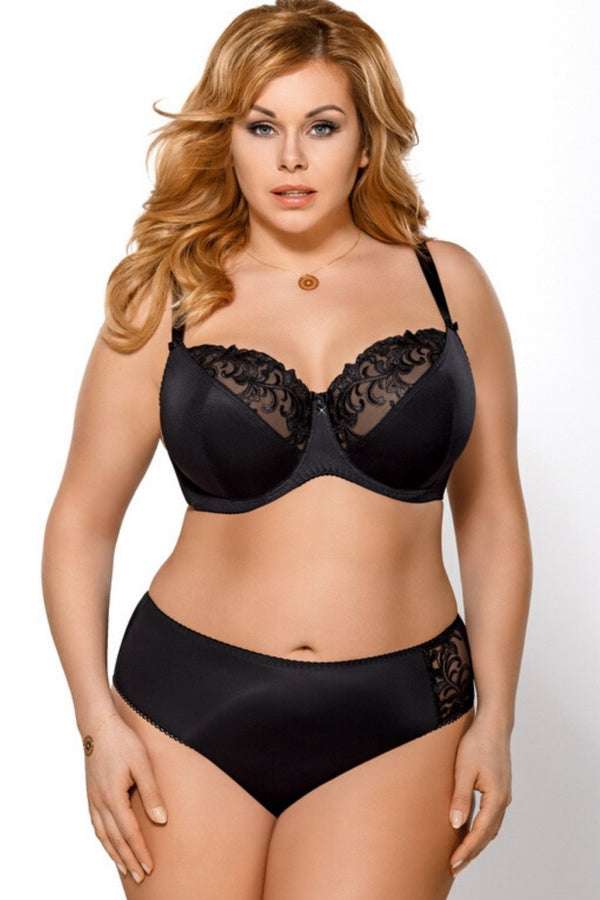
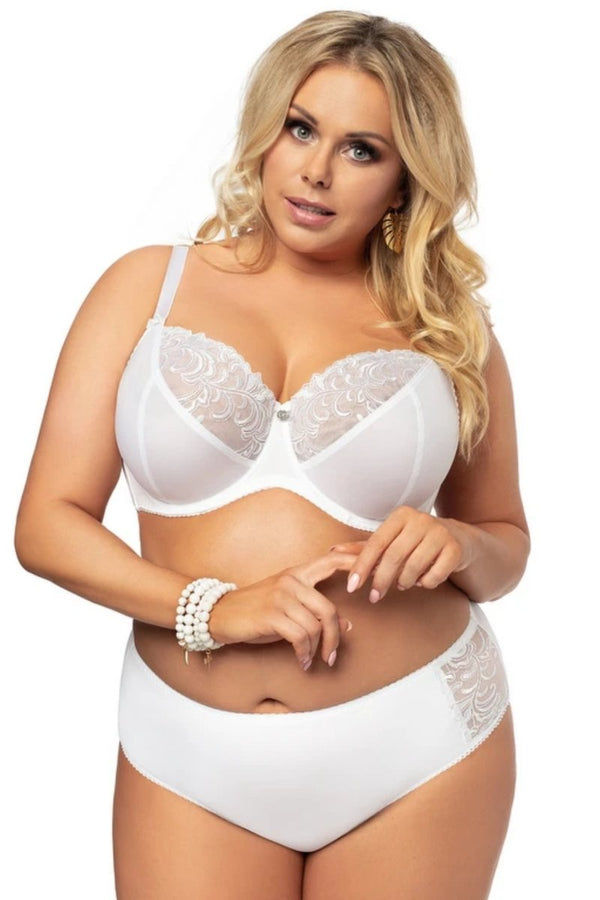
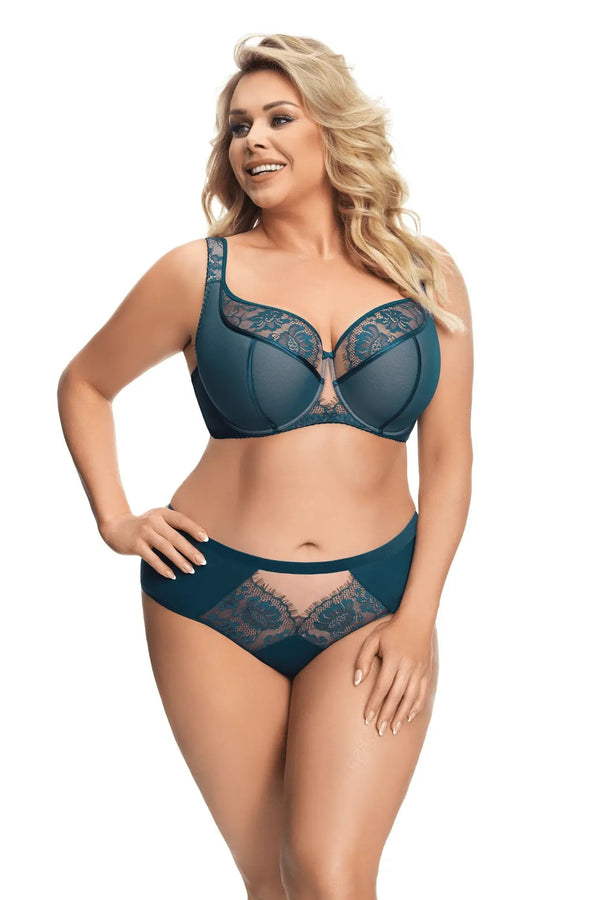
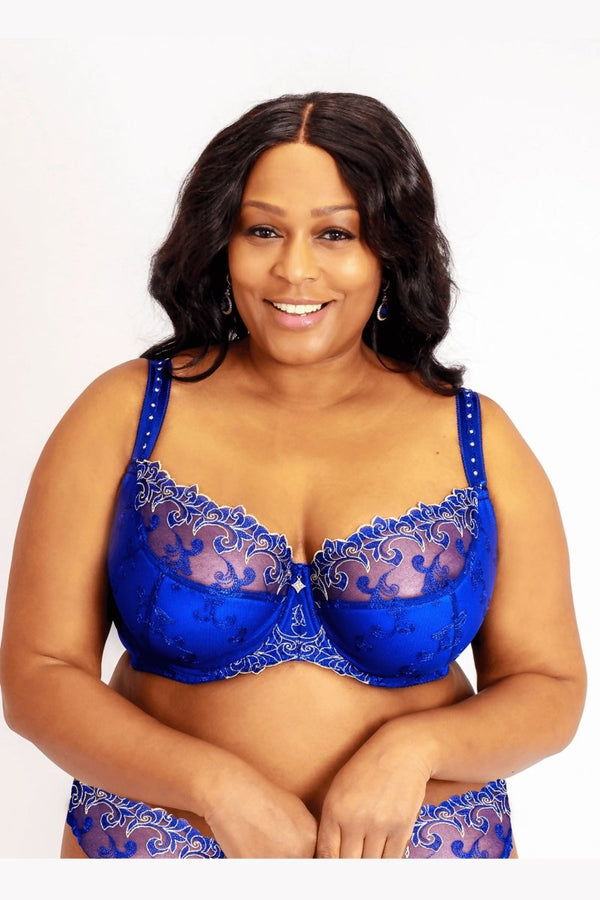
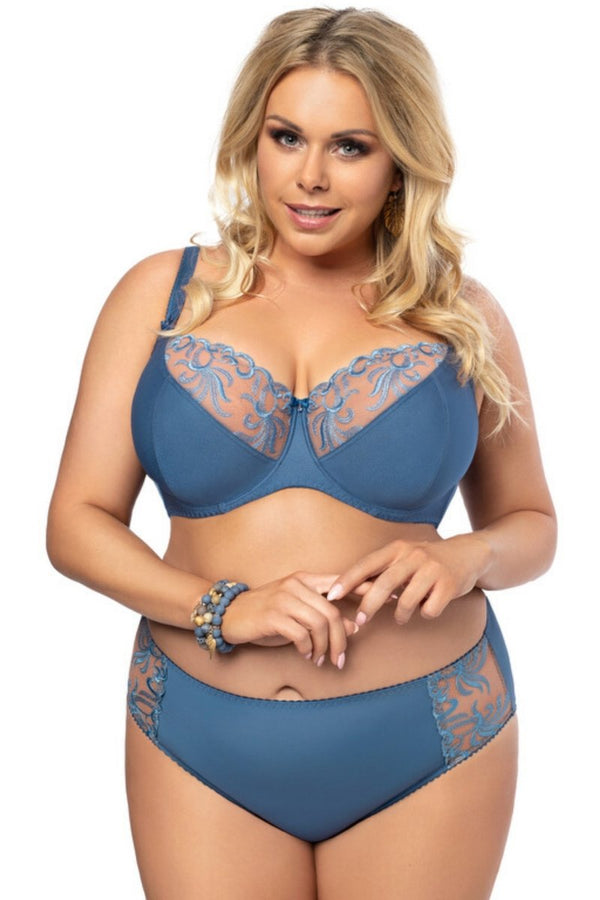
The question we hear most often is some version of: can a lace bra actually look delicate and still hold up a fuller cup? The answer is yes — but only when the delicacy is in the pattern, not the construction underneath it. A fuller-cup lace bra can use the same fine, romantic lace you'd expect on a smaller size, layered over the multi-part cup, U-shaped underwire, and structured side panels described above. The lace tells your eye one story; the engineering underneath does the actual work. That's how a bra ends up looking pretty and delicate while still giving a G cup real support.
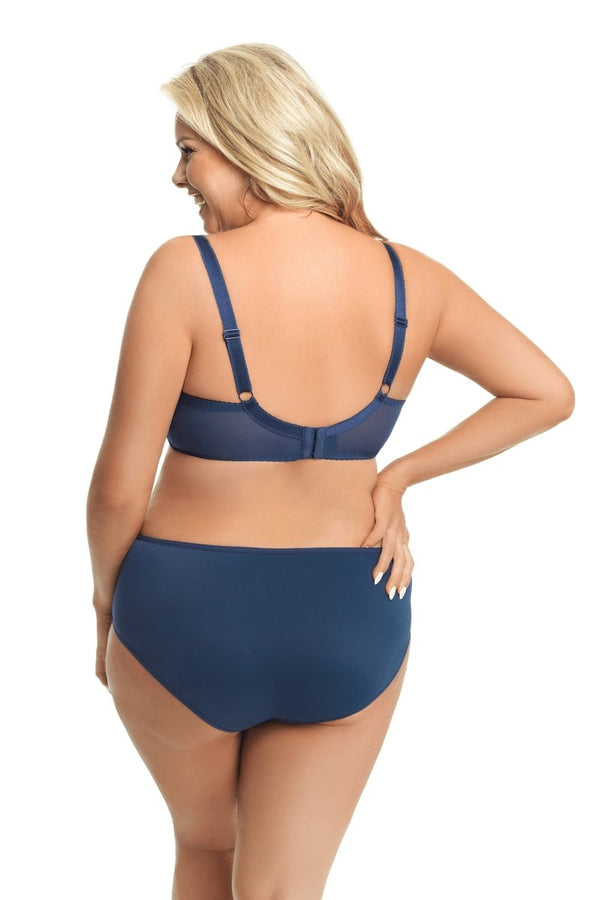
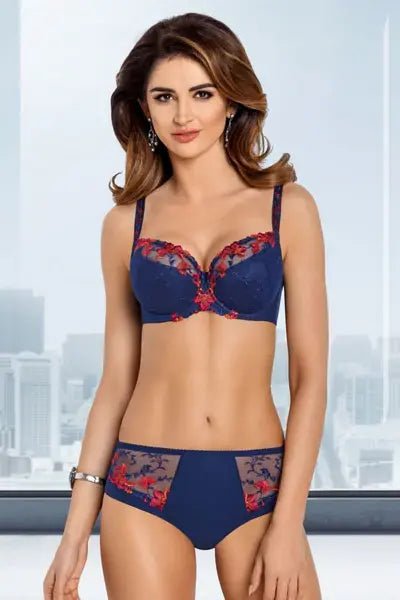
Color plays a role here too. Our lace styles run from deep jewel tones — navy, burgundy, emerald — to soft neutrals and classic black, so choosing a supportive lace bra doesn't mean settling for one look. Whether you want something quietly romantic or something bold, there's a color and lace pattern to match, all built on the same supportive foundation.
What Fit Au Max Carries for DDD and Above
Our collection runs from B through M cup, 30 to 50 band — with particular depth in the F, G, H, I, J, and K cup range where US retailers have largely abandoned the market.
Every bra in our collection is sourced from Polish manufacturers (Wiesmann, Gorsenia, Nessa) and French manufacturer Sans Complexe — makers with decades of experience engineering specifically for the fuller bust.
In practice, this means:
- Lace bras in F through K cup that are genuinely beautiful — deep jewel tones, rich neutrals, intricate woven lace patterns — not scaled-up beige basics
- Multi-part cup construction standard across the range
- Semi-soft and soft underwire options for women who find rigid underwire uncomfortable
- Wide strap options for women dealing with shoulder pain or grooving
- Coordinating panty sets across the full size range — because matching lingerie shouldn't stop at DD

How to Find Your Starting Point
If you're new to European sizing, one important note: European bras tend to run differently from US sizing conventions, particularly in band size. Many women find they wear a smaller band and larger cup in European sizing than in US sizing — which is generally a more accurate fit.
Our sizing chart maps US to European sizing across the full range. And if you'd prefer a guided conversation rather than working from a chart, our free one-on-one consultations are specifically designed for women navigating larger cup sizes for the first time.
The right bra exists. It's just been hiding in Europe.
Browse DDD, F, G, H, I, J and K cup bras →
Check the sizing chart →
Schedule a free sizing consultation →
Why European bras are built differently →