Is Your Bra Causing Your Back and Shoulder Pain? Here's What's Actually Going On
You've tried the chiropractor. You've adjusted your desk chair. You've done the stretches. And yet that familiar ache across your upper back and the grooves in your shoulders at the end of the day are still there.
Here's something worth considering: your bra may be doing more damage than you realize.
For women with fuller busts, a poorly engineered bra isn't just uncomfortable — it's a daily mechanical stressor on your body. Over time, that adds up. The good news is that the right bra can make a significant, noticeable difference. But first, it helps to understand what's actually happening.
How a Bad Bra Creates Pain
Your breasts have weight. Depending on your size, that weight ranges from a few pounds to well over ten pounds total. Every day, that weight needs to go somewhere structurally.
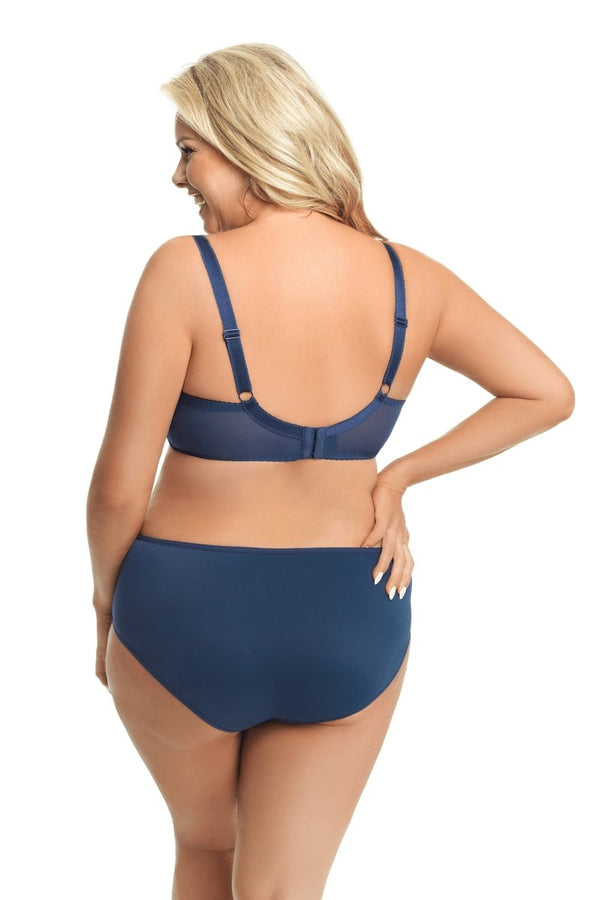
A well-engineered bra distributes that weight across the band — which sits around your ribcage — and uses the underwire, side panels, and cup structure to keep everything in place. When this works correctly, your straps are barely doing any work at all. They're guides, not load-bearers.
A poorly engineered bra — or a worn-out one — fails at this job. The band loses its tension. The cups stop shaping. The underwire migrates. And suddenly your straps are carrying the entire weight of your breasts, cutting directly into your trapezius muscles hour after hour.
The result: shoulder grooves, upper back tension, neck pain, and sometimes even headaches.

5 Signs Your Bra Is the Problem
1. You have permanent or semi-permanent grooves on your shoulders Grooves that take more than a few minutes to fade after you remove your bra are a sign that your straps are carrying weight they shouldn't be. This is almost always a band or cup support failure, not a strap-tightness issue.
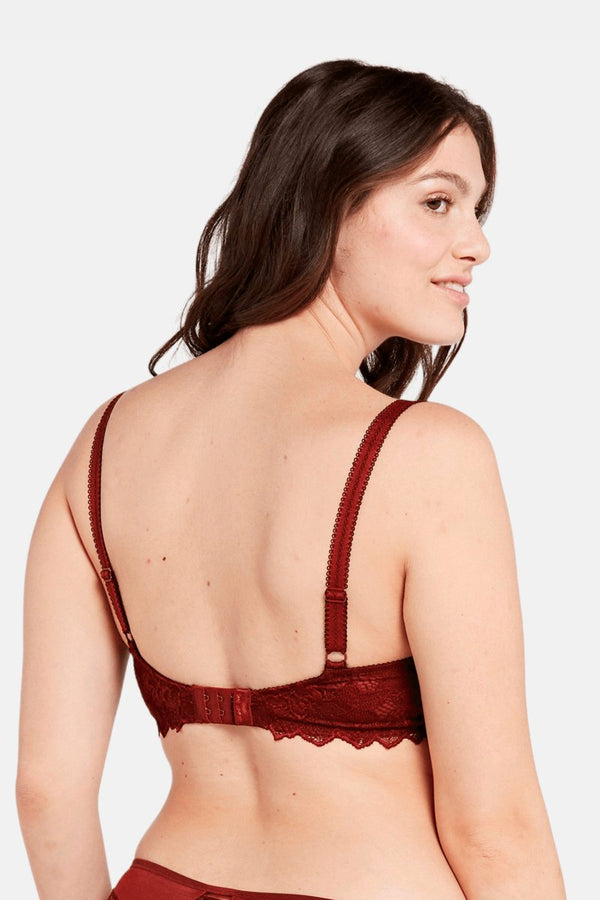
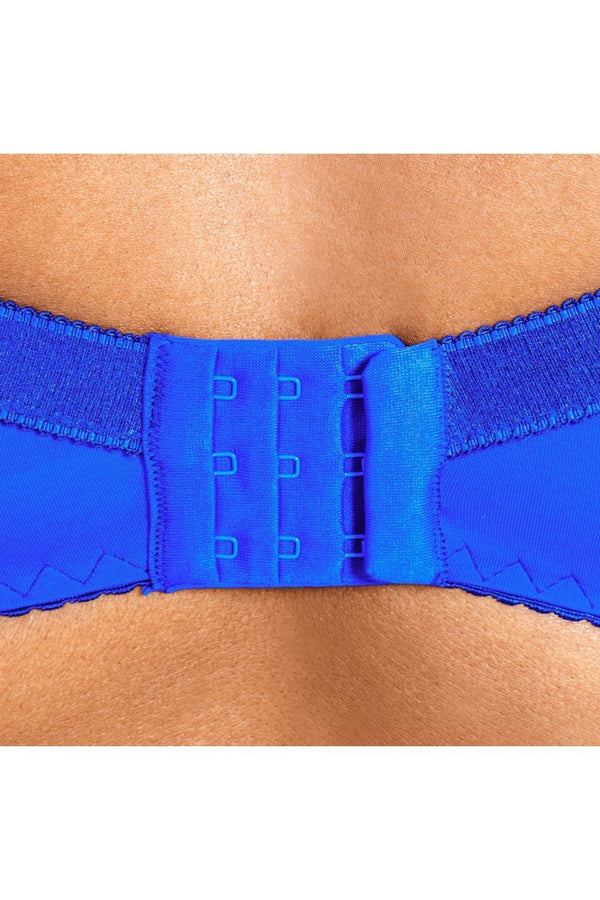
2. Your bra rides up in the back If the back of your bra sits higher than the front, the band has lost its tension and is no longer anchoring properly. Your straps compensate — and your shoulders pay for it.
3. You feel relieved the moment you take it off Some relief is normal. Significant, immediate relief from back and shoulder tension is a sign the bra was working against your body all day.
4. You're wearing the same bra you've had for years Bra elasticity degrades significantly within 6 to 12 months of regular wear, often sooner if machine-washed frequently. A bra that fit perfectly two years ago may now be providing almost no structural support.
5. Your underwire pokes or sits on breast tissue An underwire that isn't sitting flush against your ribcage — fully encircling each breast — is a sign the cup size or shape is wrong. This also means the weight distribution is off..







What a Properly Supportive Bra Actually Does
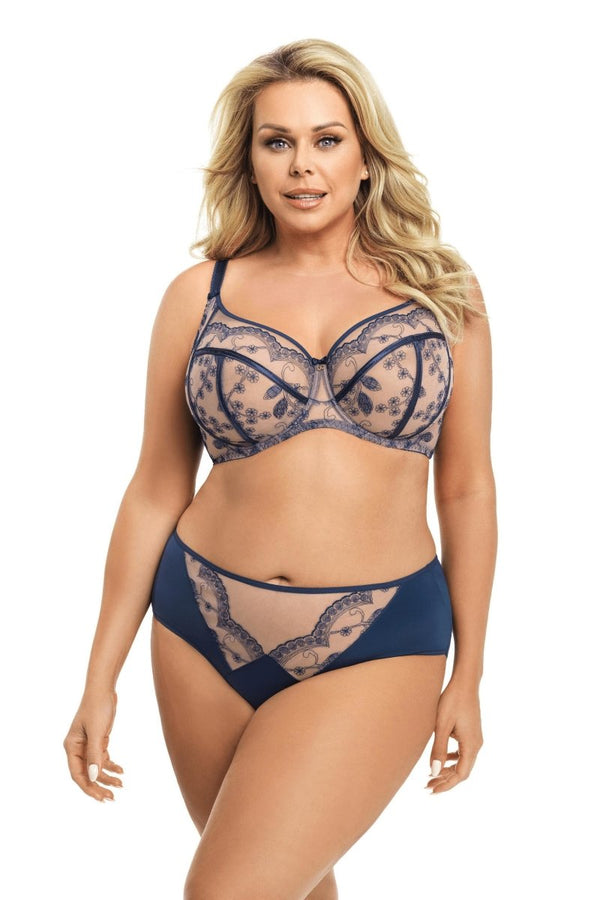
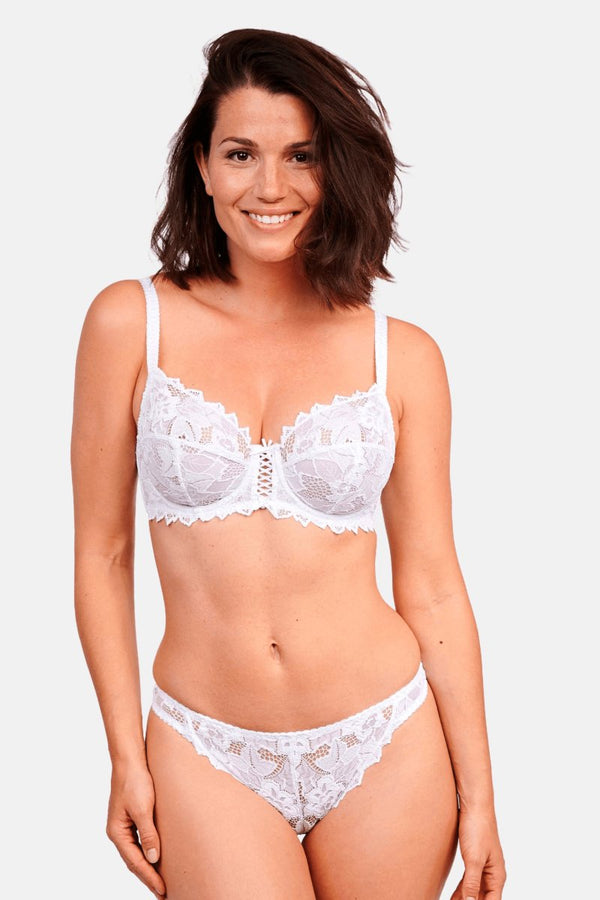
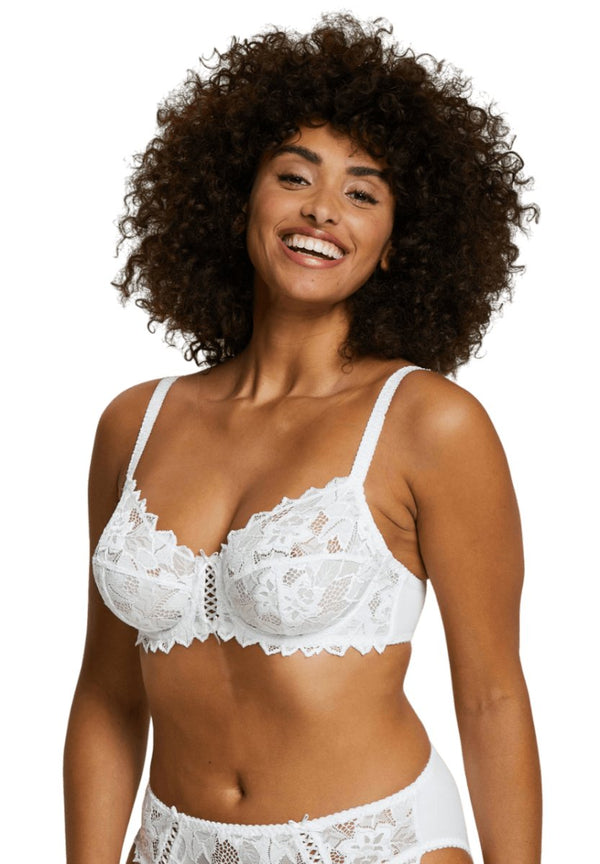
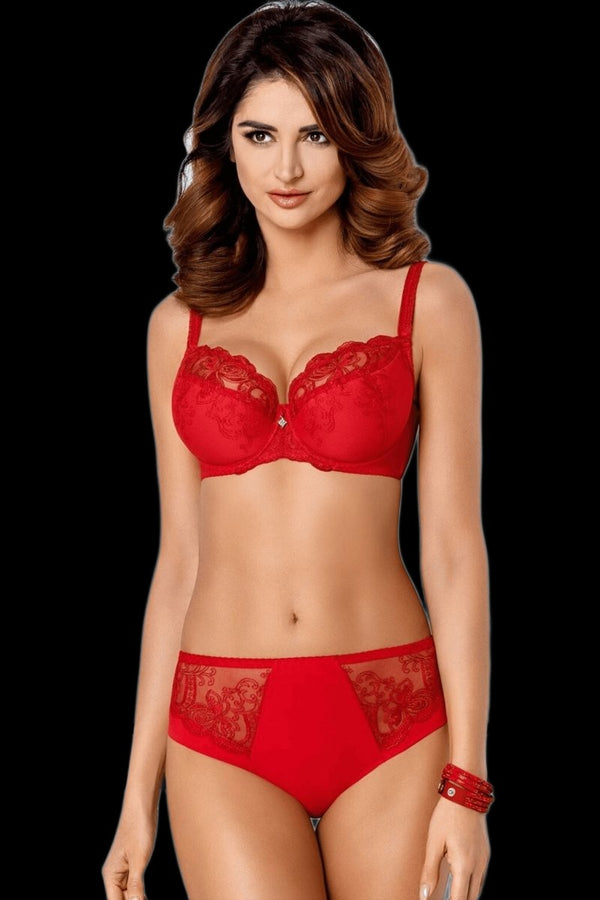
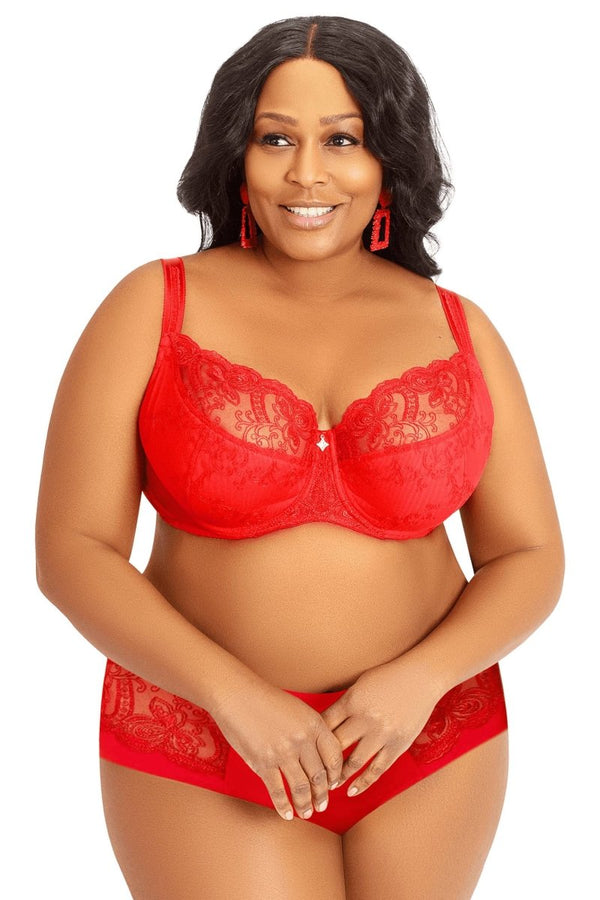
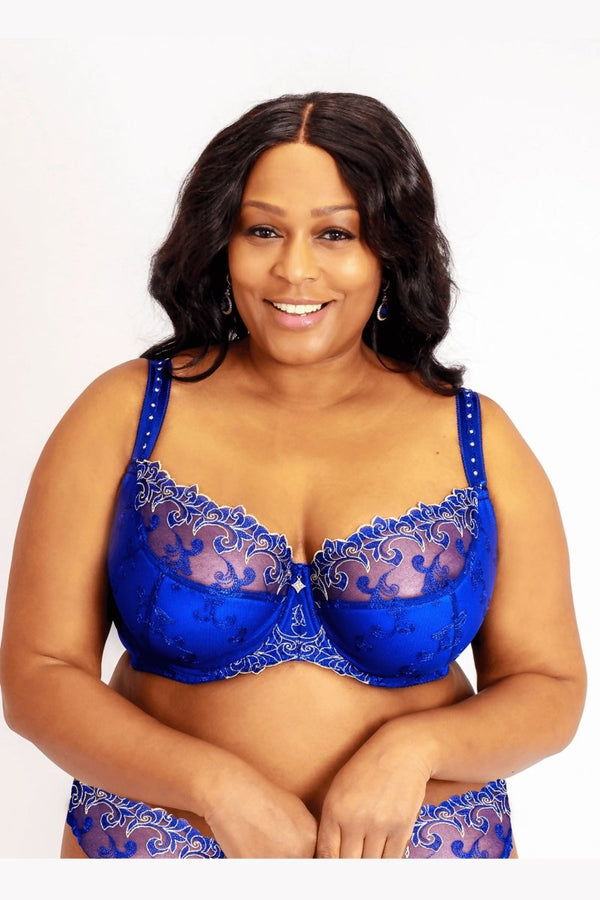
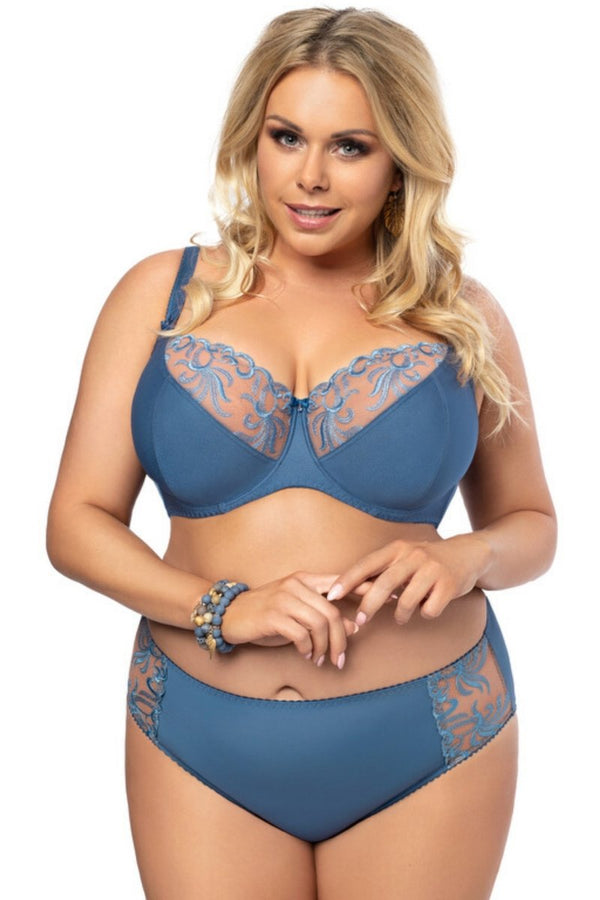
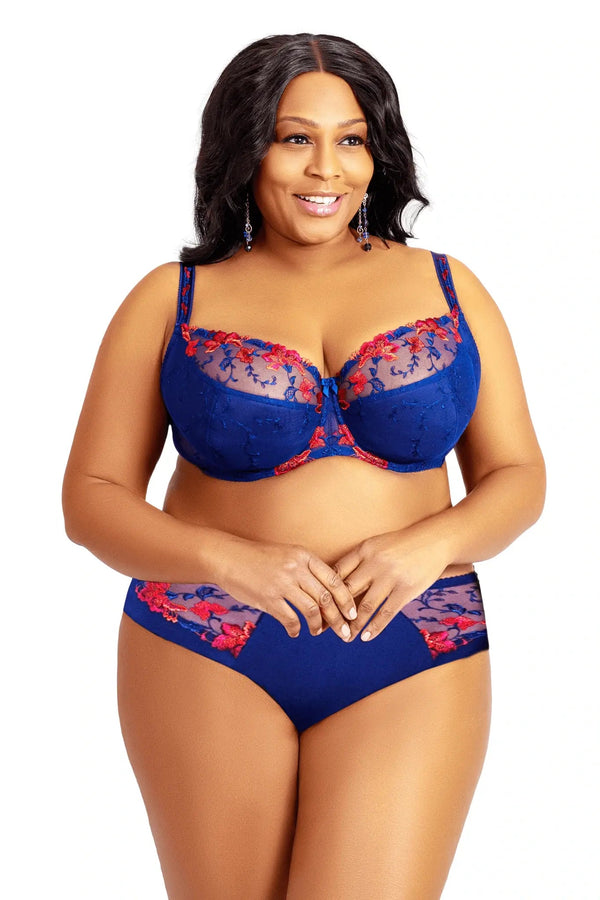
A well-engineered fuller-bust bra is built around a few key structural principles that directly address the pain points above.
The band does the heavy lifting Roughly 80% of breast support should come from the band, not the straps. A band that fits correctly — snug but not tight, sitting horizontally around your ribcage — is the single most important factor in reducing shoulder and back strain.
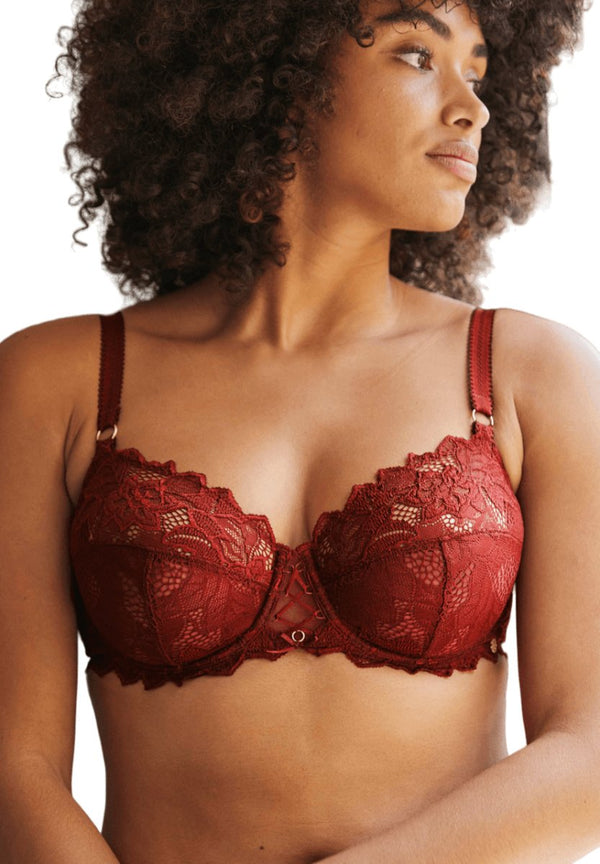
Wide, cushioned straps distribute weight Narrow straps concentrate pressure. Wide straps — particularly those with a slight cushion or padding — spread the remaining load across a broader surface area of the shoulder, dramatically reducing the groove effect.
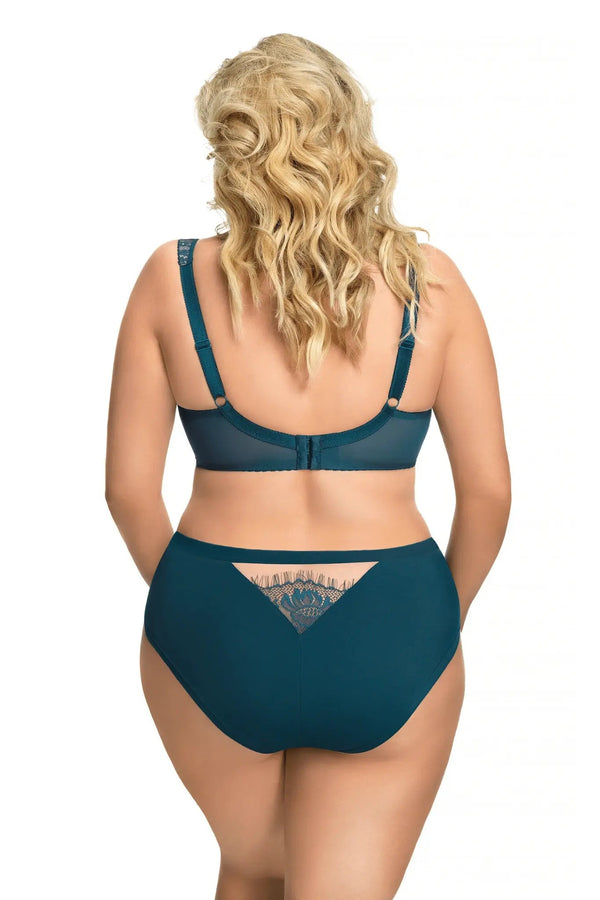
Structured side panels keep everything in place Side panels with internal boning channels prevent the bra from migrating throughout the day. When a bra stays where it started, your body doesn't have to compensate for its movement.
Proper underwire geometry The narrow U-shaped underwires that follow the natural curve of your ribcage sits flat against your body, supports from below rather than pressing inward, and keeps the cups anchored without digging into soft tissue.
A Note on Bra Sizing and Pain
One of the most consistent findings in studies on bra fit is that a large percentage of women are wearing the wrong size — most commonly a band that is too large and a cup that is too small. A too-large band rides up and loses its anchor. A too-small cup pushes breast tissue outward and upward, redistributing weight in ways the bra was never designed to handle.
If you've been measured at a US chain retailer, it's worth getting a second opinion. US sizing conventions, particularly the "add 4 inches to your underbust" method many retailers still use, frequently produce band sizes that are too large. European sizing tends to measure more directly and accurately.
At Fit Au Max, we offer free bra sizing consultations for exactly this reason. Getting the size right isn't just about fit — it's about making sure the bra is actually doing its job for your body.

What to Do Next
If you recognize yourself in any of the signs above, here's a practical starting point:
- Check your band. Put your bra on and try to slide two fingers under the back band. It should be snug but not painful. If you can pull it several inches away from your body, the band is too loose.
- Check your cup. There should be no spillage at the top or sides, and no wrinkling or gaping in the cup fabric. Both are signs of incorrect cup size.
- Check your straps. Loosen them slightly. If your posture and comfort don't change much, your straps were overcompensating for a failing band.
- Check your bra's age. If it's been in regular rotation for more than a year, the elastic may simply be done.
If you're not sure where to start, we're here to help. Our free sizing consultation is a one-on-one conversation — not an automated quiz — designed to help you find a bra that actually supports your body the way it should.
Schedule a free bra sizing consultation → Browse supportive lace bras for fuller busts → Check our bra sizing chart →