K Cup Bra Size Explained: Fit, Measurements, and What to Expect
If you have landed on a K cup bra size, the first thing worth knowing is that the letter alone tells you very little. The same letter behaves differently on a 34 band than it does on a 42, and that difference is exactly why so many women in this range spend years cycling through bras that never quite work.
What the letter actually measures
A cup letter is not a fixed volume. It is a difference — the gap between your bust measurement and your band measurement. That is the whole calculation, and it is why the same letter can look and feel so different on two women standing side by side.
In most sizing systems, this size represents a difference of roughly 11 to 12 inches between bust and band. What that produces in practice is significant forward projection, considerably more depth than a standard cup is cut for, and a real need for structure rather than fabric alone.
Three things follow from that measurement, and all three matter when you shop:
- The bust projects noticeably forward, which shallow cups cannot accommodate no matter how wide they are
- Standard bras frequently fail on depth, not width, which is why sizing up rarely solves the problem
- Internal structure becomes the difference between a bra that holds and one that gives out by mid-afternoon
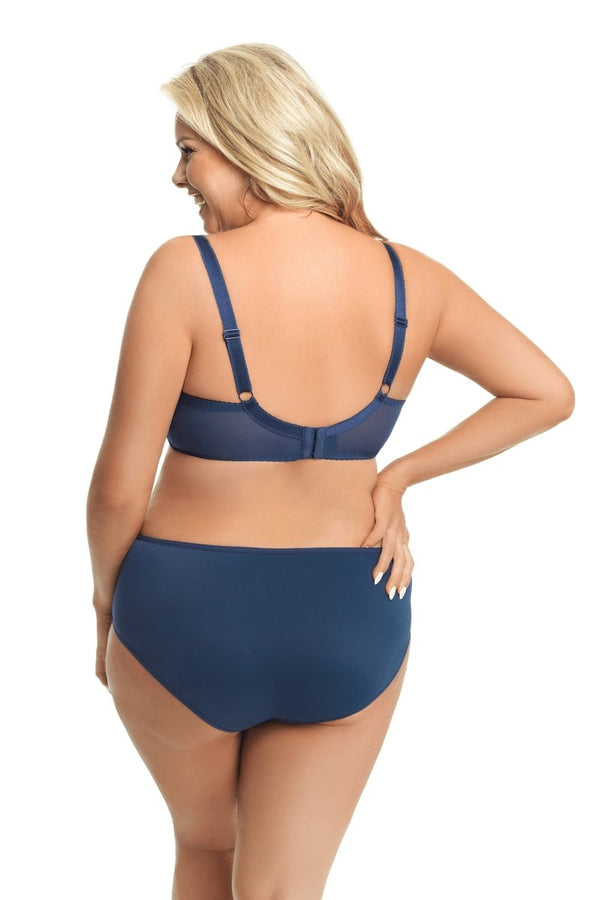
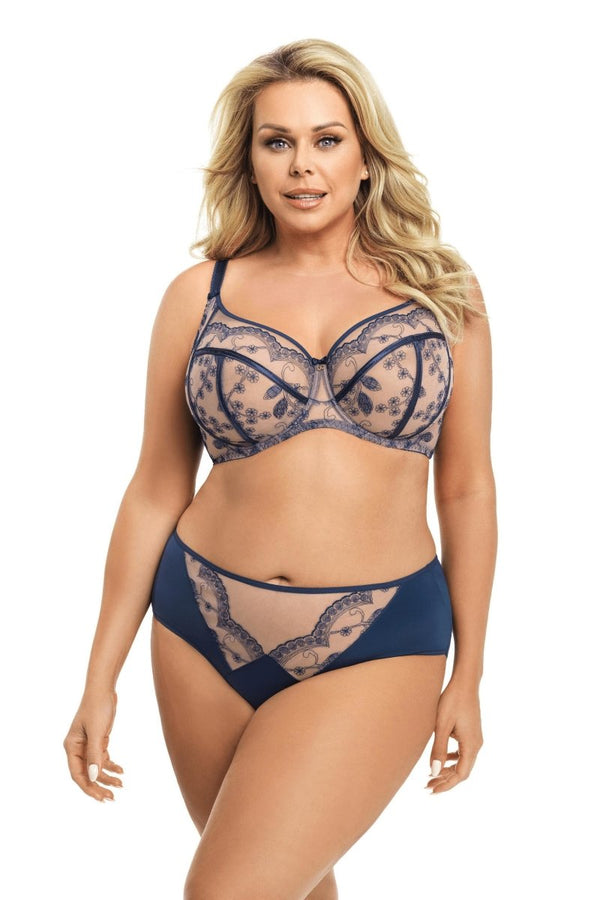
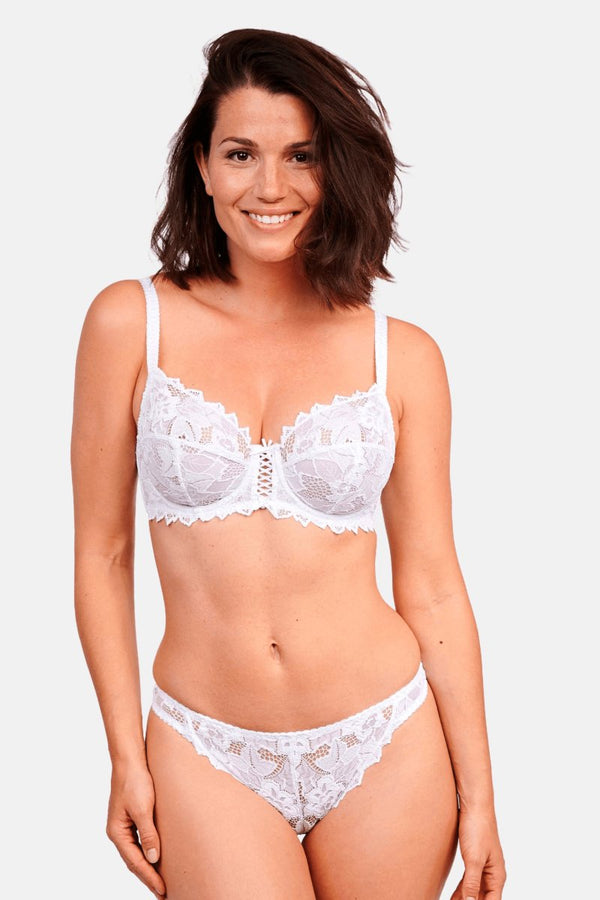
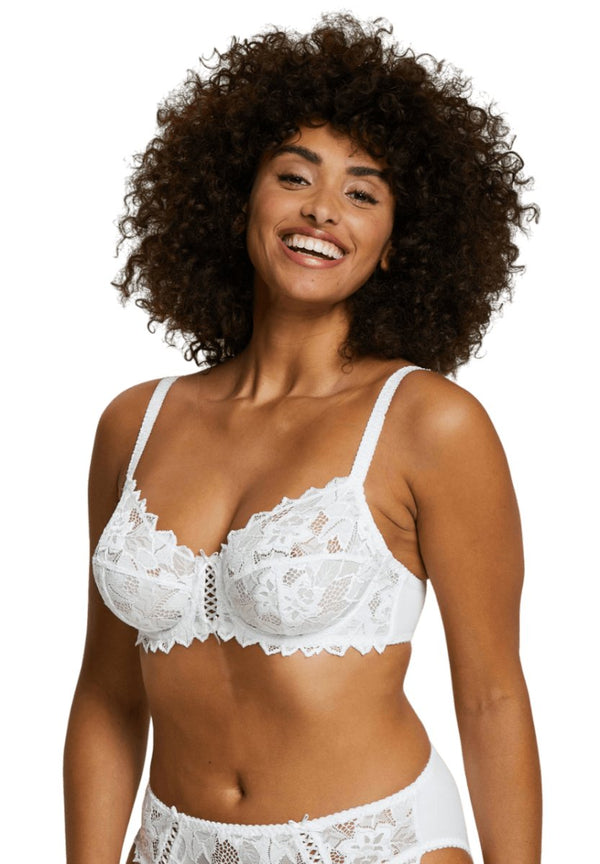
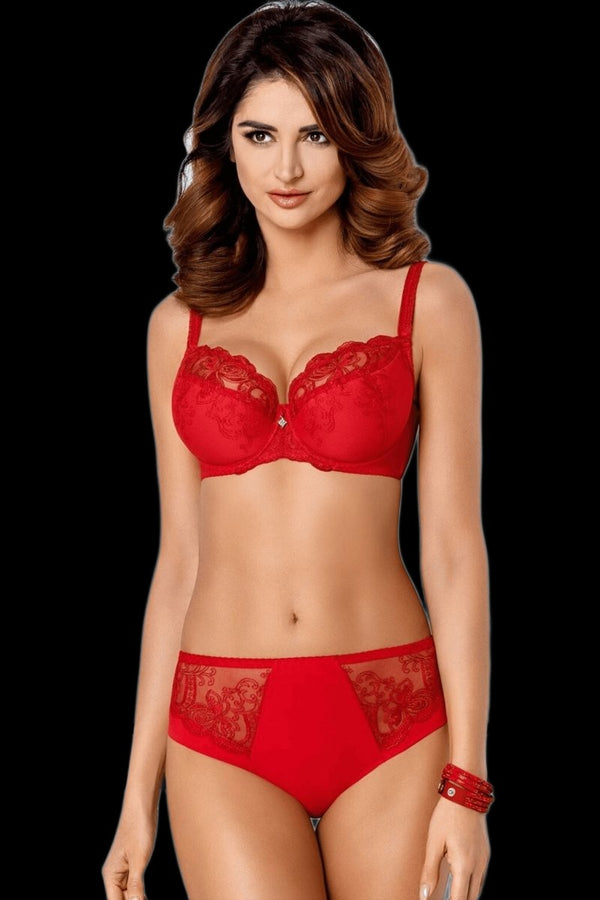
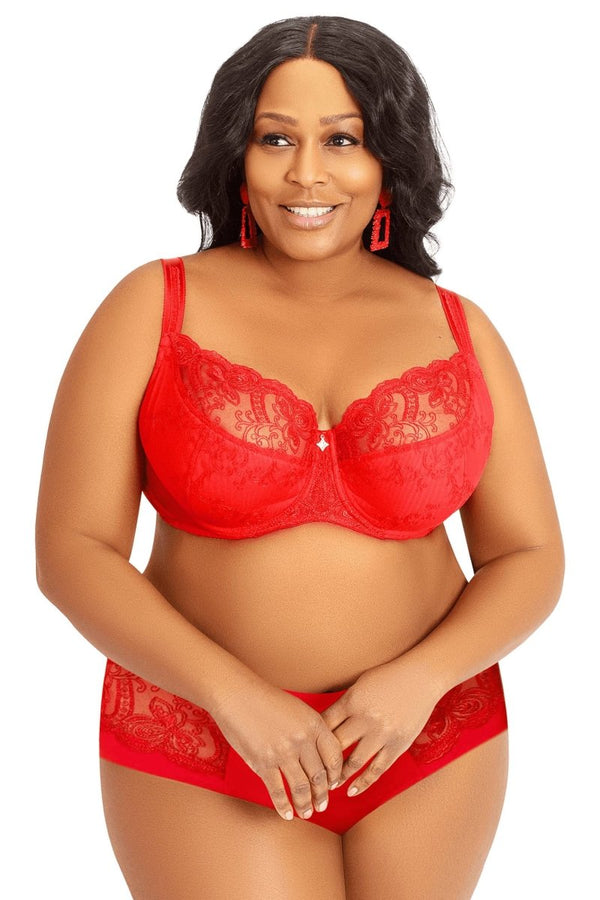
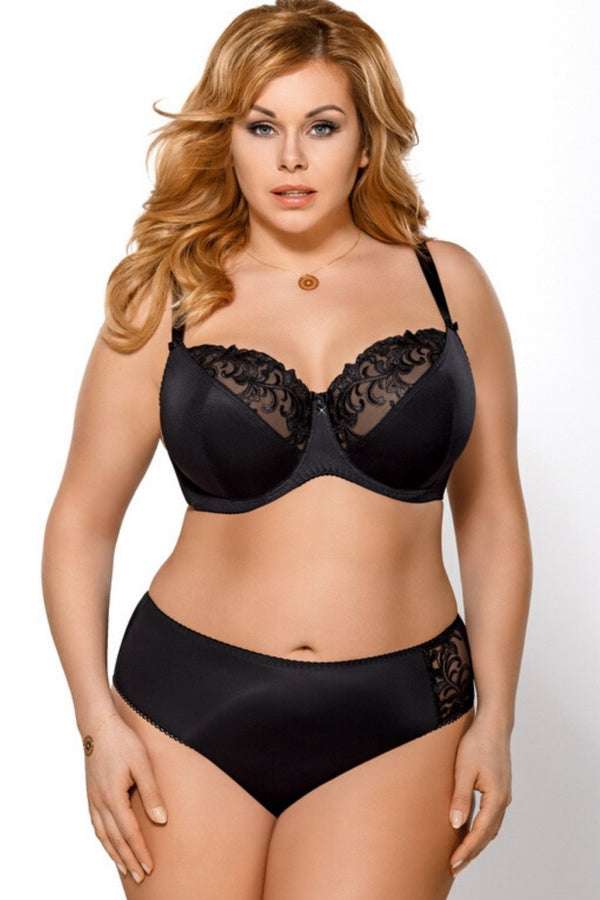
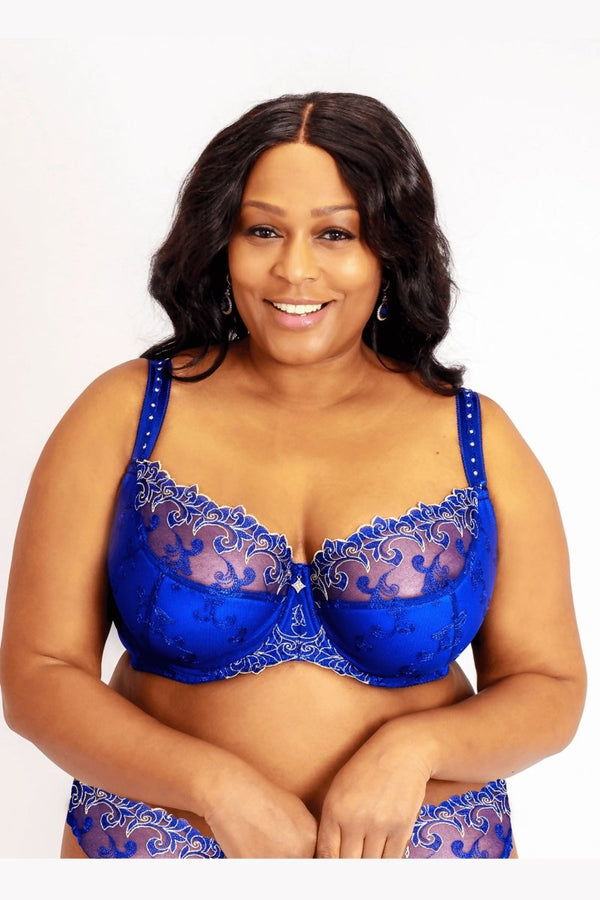
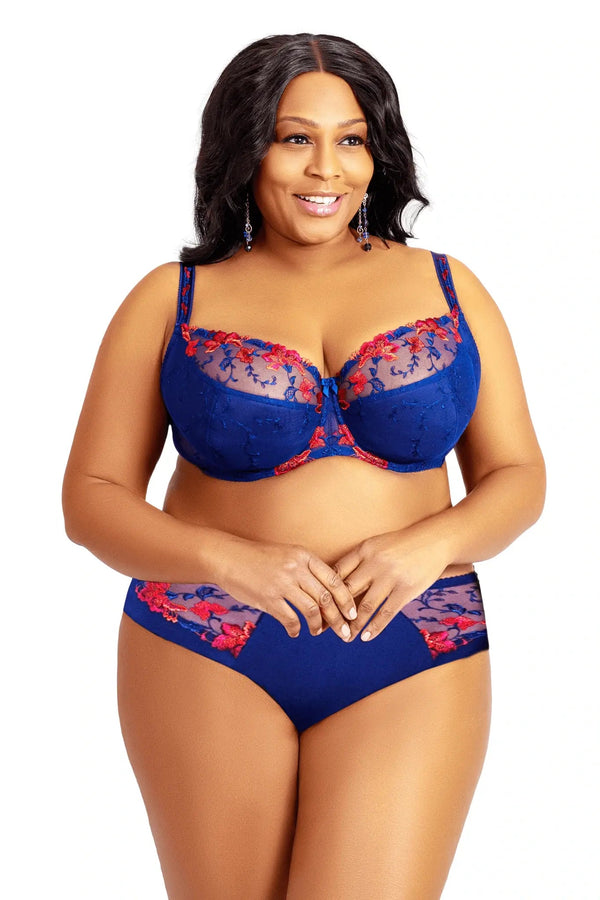
This is where well-designed European bras separate themselves. They are built around depth and support from the start, rather than pressing a fuller bust into a cup that was never shaped for it. The K cup full coverage lace bra is a clear example of that approach — cut for the volume it is meant to hold.

How it compares to other sizes
Comparison helps, as long as you remember that body shape matters as much as the number. Two women wearing the same size can look entirely different depending on breast root width, tissue density, and how the volume distributes.
Set against smaller cups, a few differences stand out consistently. Projection increases substantially — the bust sits further forward from the chest wall, which changes how the cup must be shaped. The breast root, meaning the footprint where the breast meets the body, may stay similar in width, but the depth over that footprint increases sharply. And support requirements rise faster than most people expect, because weight increases with volume rather than with the letter on the label.
This is the reason so many mass-market bras fail in this range. They are frequently built on the same underlying pattern used for far smaller sizes, then scaled outward. The cup gets wider without getting deeper, the wire stays narrow, and the band never gains the strength it needs. The result feels wrong immediately and gets worse across the day.
Sister sizing is worth understanding here too. Move up a band and down a cup and the volume stays the same — a 38K and a 40J hold an equivalent amount. If your exact size is unavailable, the equivalent often is. The bra sizing chart and calculator will map those equivalents for you in a couple of minutes..






Why fit matters more at this size
At this end of the range, fit stops being a comfort question and becomes a physical one. It affects posture, shoulder position, and how your back feels after a full day upright. Without proper support, the weight transfers to your shoulders and upper back, and the strain accumulates quietly enough that many women stop noticing it.
A correctly fitted bra in this range should do four things:
- Lift from the band, not the straps. The band should carry the majority of the weight, with straps as secondary support only. If your straps are digging, the band is not doing its job.
- Contain everything inside the cup. No overflow at the top, no spillage at the sides, no gaping at the upper edge.
- Sit firm and level around the body. The band should stay parallel to the ground rather than riding up at the back, which is the most common sign of a band that is too loose.
- Keep the center gore flat. It should rest against the sternum rather than floating away from the body.
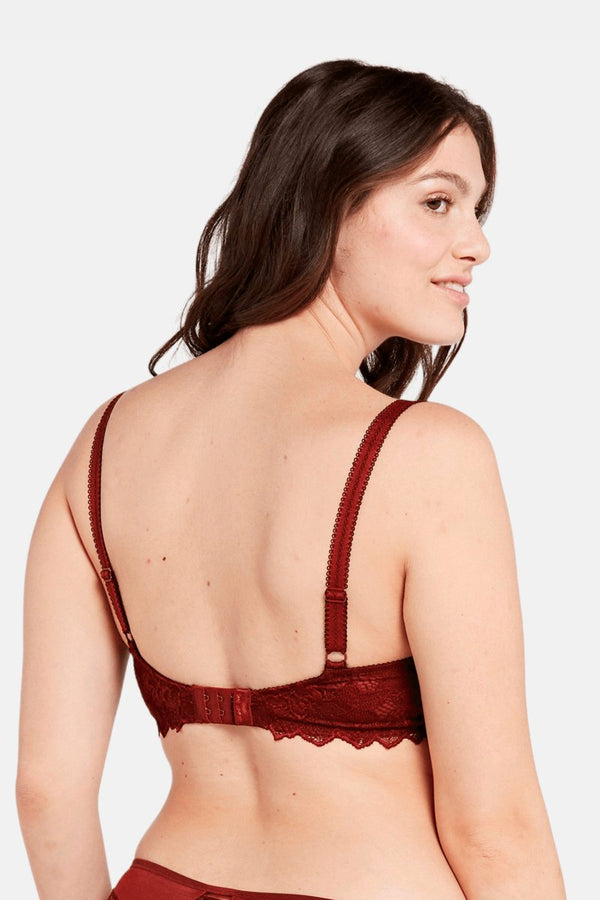
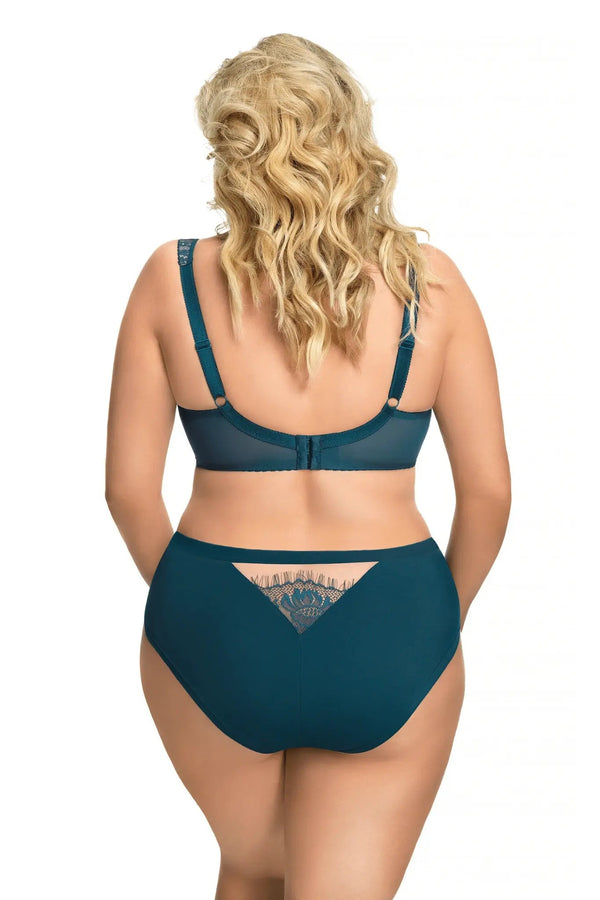
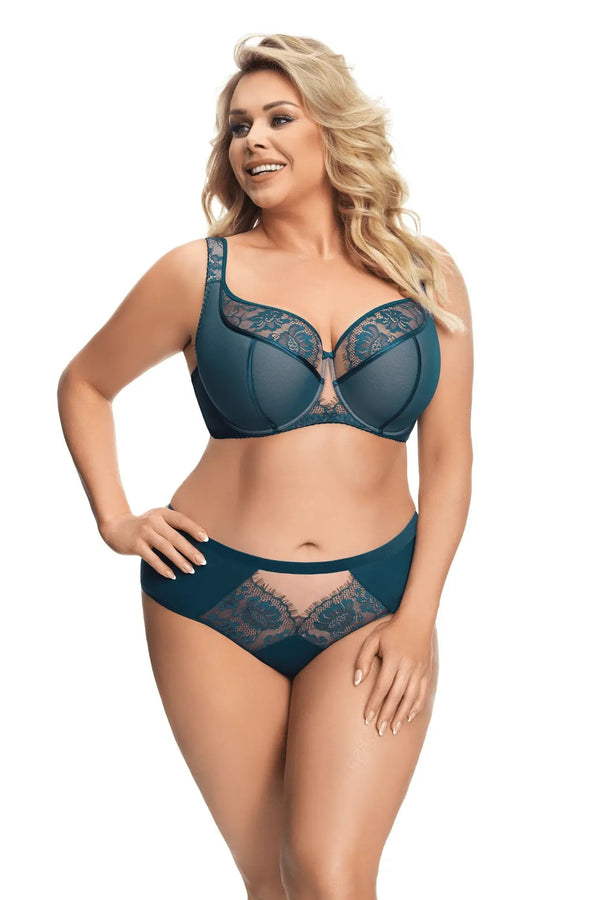
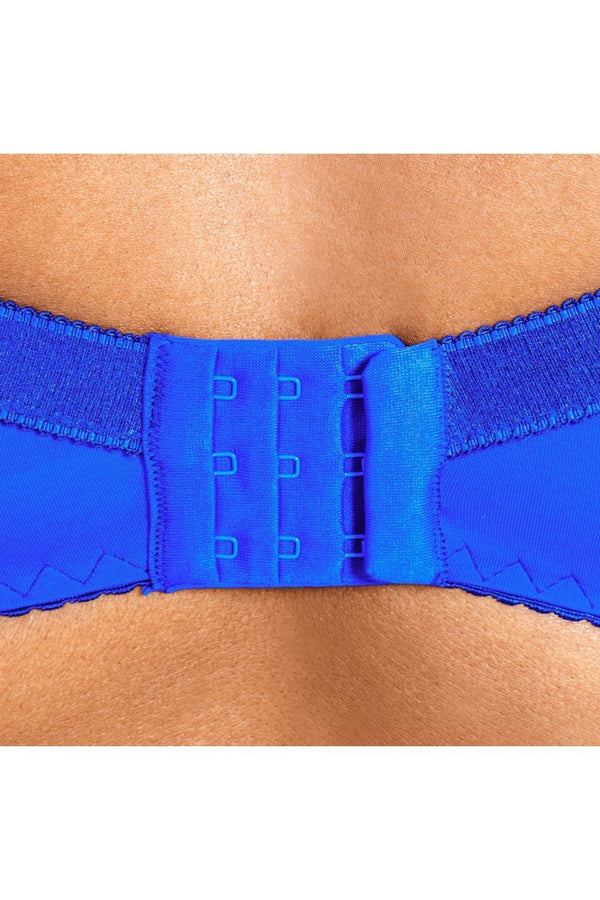
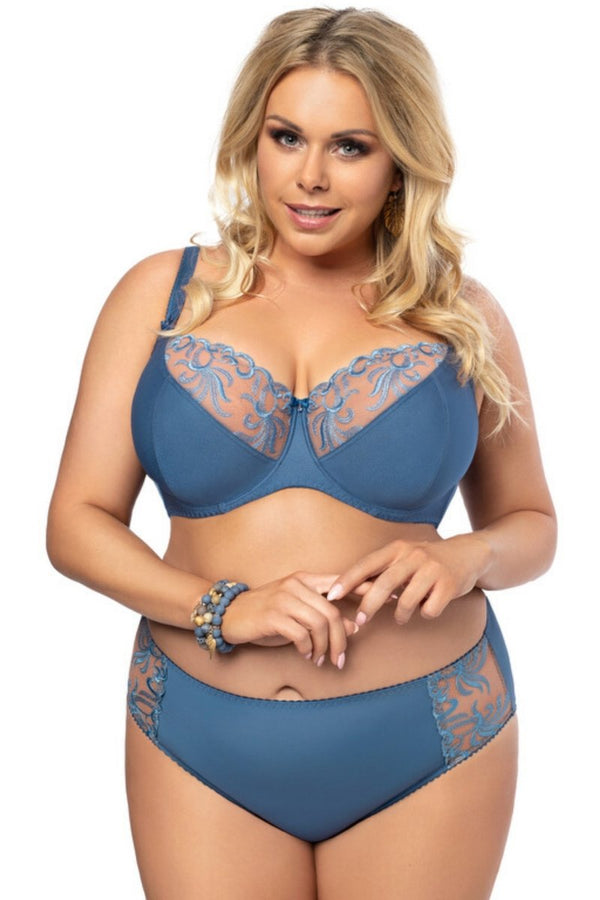
When those four things line up, the difference is immediate and physical. It is not subtle, and most women recognize it the moment they feel it. The Milla in turquoise is built along exactly these lines — firm band, deep cup, real structure underneath the lace.

What to look for when you shop
Not every bra works in this range, and the ones that do share a set of recognizable features. Look for these before anything else:
- Deep cups matched to natural projection rather than wide, shallow cups that flatten and push tissue outward
- A strong, wide band engineered to carry the weight rather than a narrow elastic that rolls or rides
- An underwire that follows the full breast root instead of a narrow wire that compresses from the sides
- Side boning or reinforced side panels that stop the cup collapsing outward under weight
- Wide, adjustable straps that spread pressure rather than concentrating it into a groove
- Fabric that holds its shape over months of wear, not stretchy material that softens after a few washes
In a well-made Polish or French bra, these are standard rather than premium features. In a mass-market bra, they are frequently missing altogether — which is the real reason the search has felt so difficult.
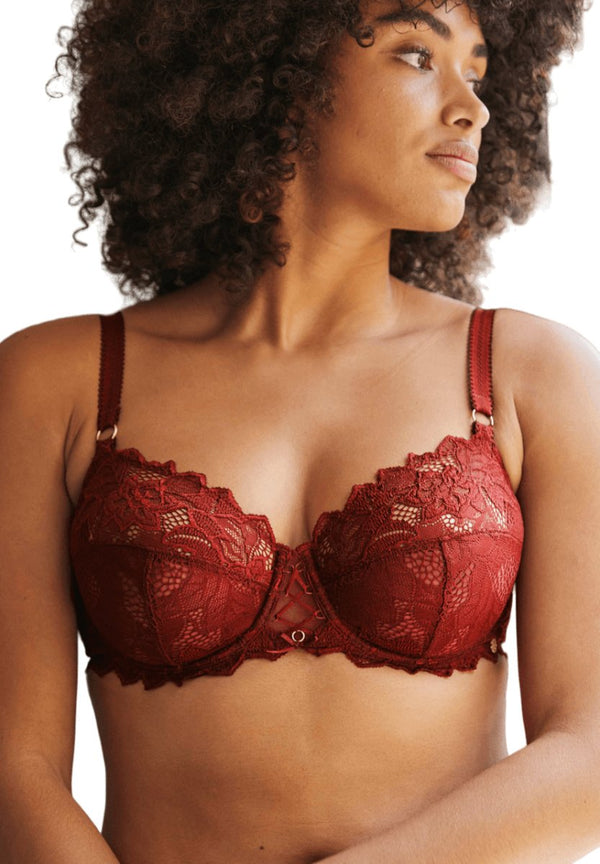
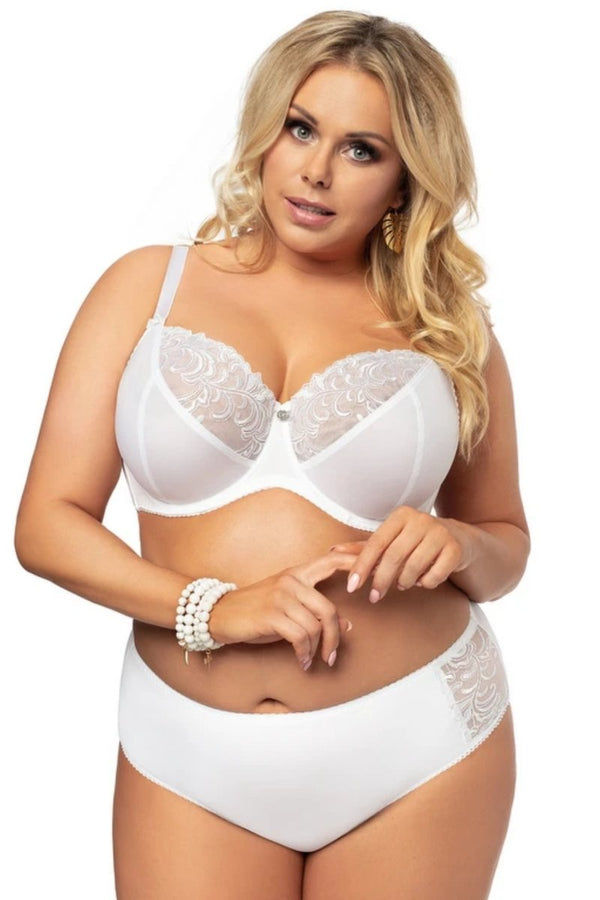
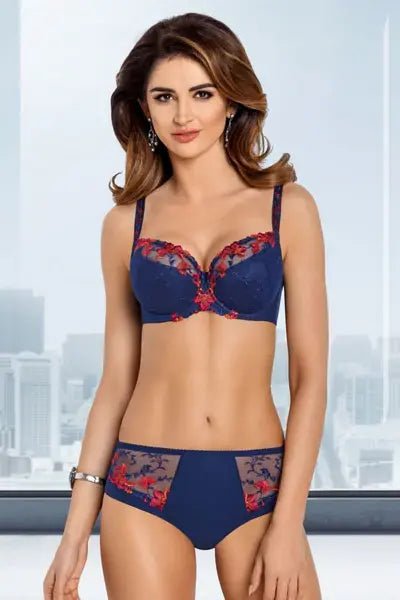
Style is not a trade-off either. The Frida in black and pink and the Zoe both carry serious structure underneath genuinely beautiful lace. If you sit above this range, the Cleo in L cup white extends the same construction further up.
Where to go from here
Finding the right fit gets considerably easier once you are shopping somewhere that actually carries the range. Most of the frustration in this size comes down to inventory rather than anything about your body — mainstream retailers stop well short, so the trial-and-error starts before you have even seen a bra built for you.
Two practical steps close the gap. Measure properly rather than relying on the size you have been wearing, since those two are different more often than not. Then check your sister sizes, so an out-of-stock label does not end the search.
Fit Au Max carries Polish and French bras built for fuller busts from Gorsenia, WiesMANN, Sans Complexe and Nessa — engineered for this range from the start rather than scaled up from a standard pattern. Free shipping on orders $75+.