European Bras for Large Breasts — Why the Construction Matters
Walk into any US department store and look at the bra wall. Then look at the extended-size section. You'll notice something immediately: the larger the cup size, the fewer the options — and the less attractive they become.
This isn't coincidence. It's a consequence of how mass-market bras are designed and manufactured.
Most mainstream bras are engineered for a B or C cup and then scaled upward. The result for D cup and above is a bra that fights your body rather than works with it. The cups distort. The underwire migrates. The band fails to anchor. And within a few hours, you're uncomfortable, unsupported, and wondering why nothing ever fits right.
European bra makers — particularly in Poland and France — solved this problem decades ago. Here's exactly how their approach differs, and why it matters so much for women with large breasts.
The Mass-Market Approach: Scaling Up a Small Design
To understand why European construction is different, it helps to understand what mass-market manufacturers actually do.
A typical mass-market bra is designed around a 34B or 36C form. To produce larger sizes, manufacturers use a process called grading — mathematically scaling every measurement upward proportionally. The shape, the cup geometry, the underwire curve, and the panel proportions stay essentially the same. Only the numbers change.
This creates several specific problems for larger busts:
A cup that was designed with a shallow projection for a B cup becomes a shallow cup at an F cup — but an F cup breast has significantly more projection and needs fundamentally different shaping. The result is a cup that gapes at the top, creates side spillage, and fails to fully encircle the breast.
An underwire scaled from a B cup maintains the same relatively flat curve, which means at larger sizes it sits on breast tissue rather than under it — the root cause of that familiar digging and poking sensation.
A band that was proportioned for a lighter bust can't anchor a heavier one. The elastic degrades faster, the band rides up sooner, and the straps compensate — which is where shoulder grooves and back pain begin.

The Polish Approach: Engineer from the Fuller Bust Out
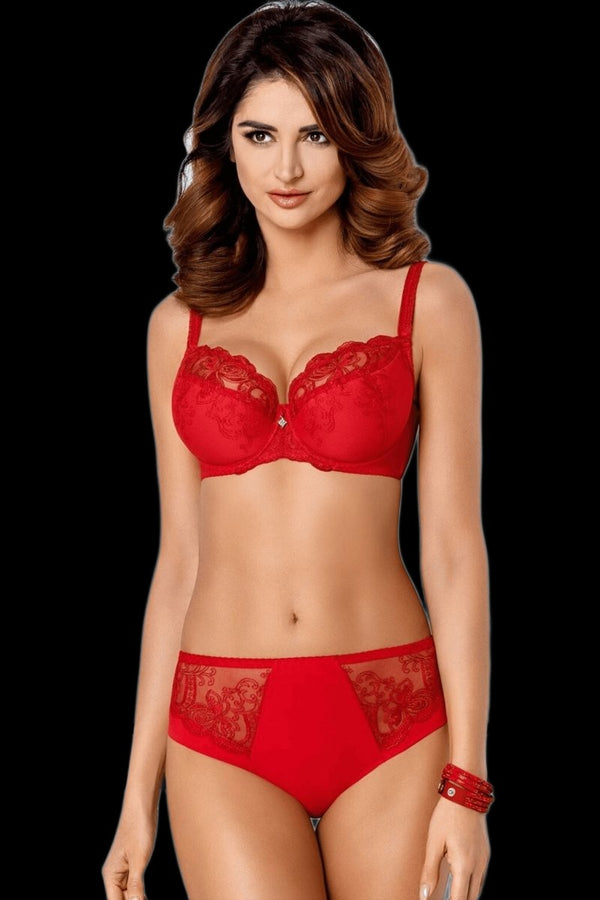
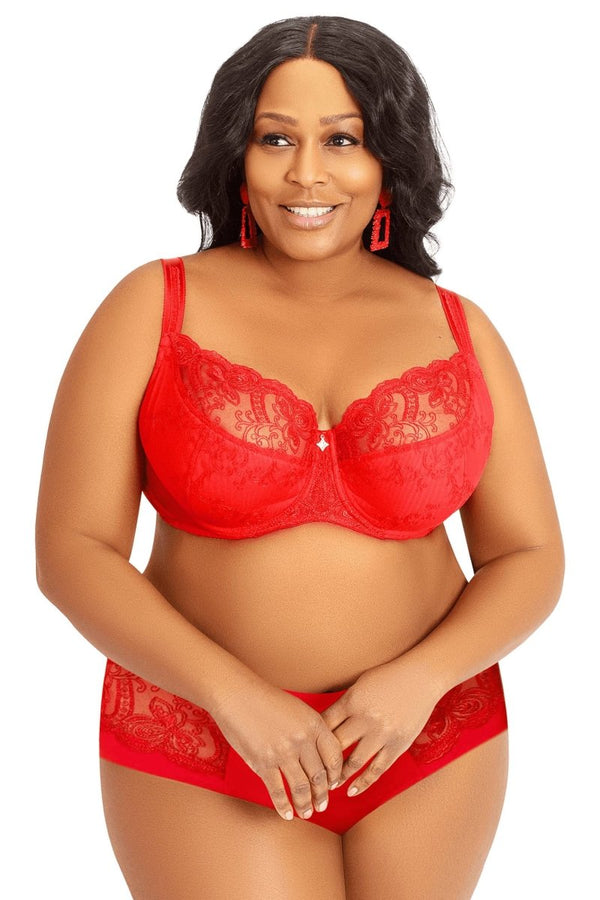
Polish bra manufacturing — led by brands like Wiesmann, Gorsenia, and Nessa — takes the opposite approach. These bras are designed from the beginning for a fuller bust, not adapted from a smaller one..


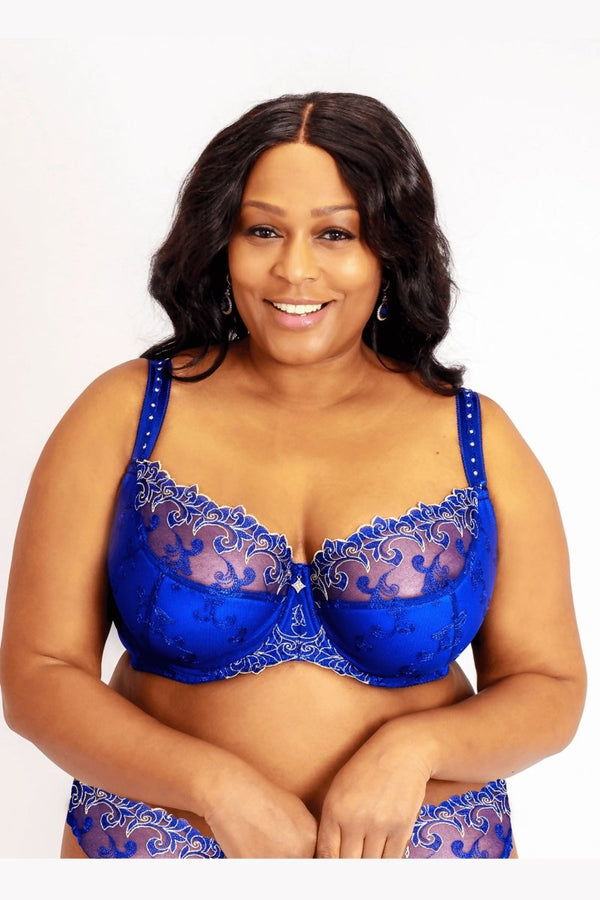


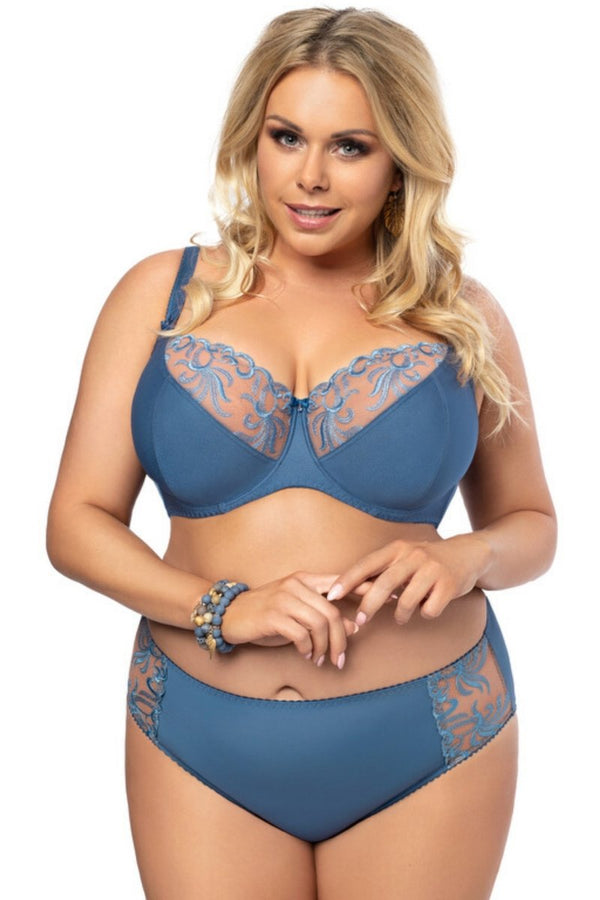


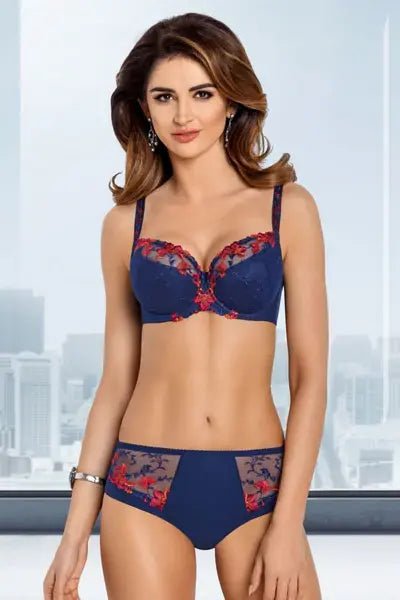
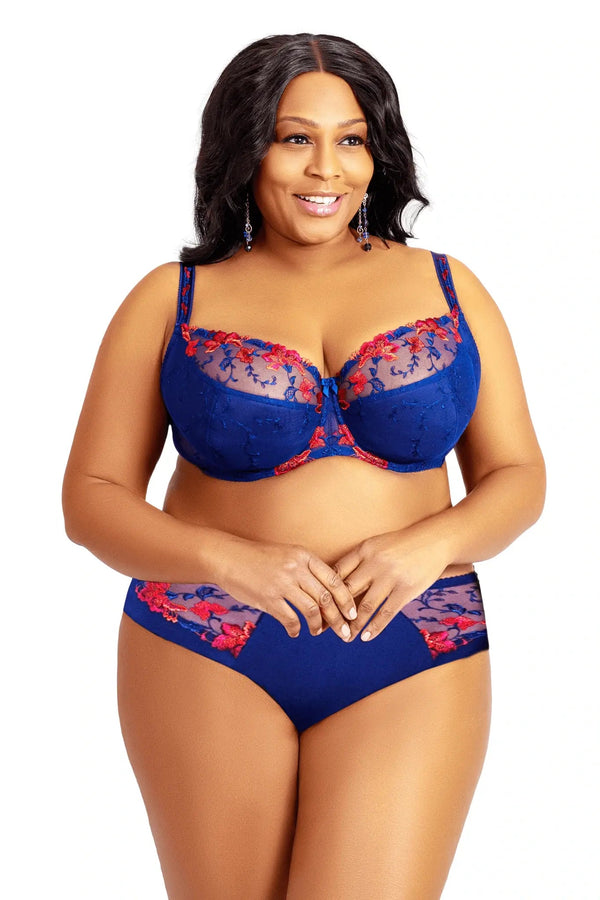
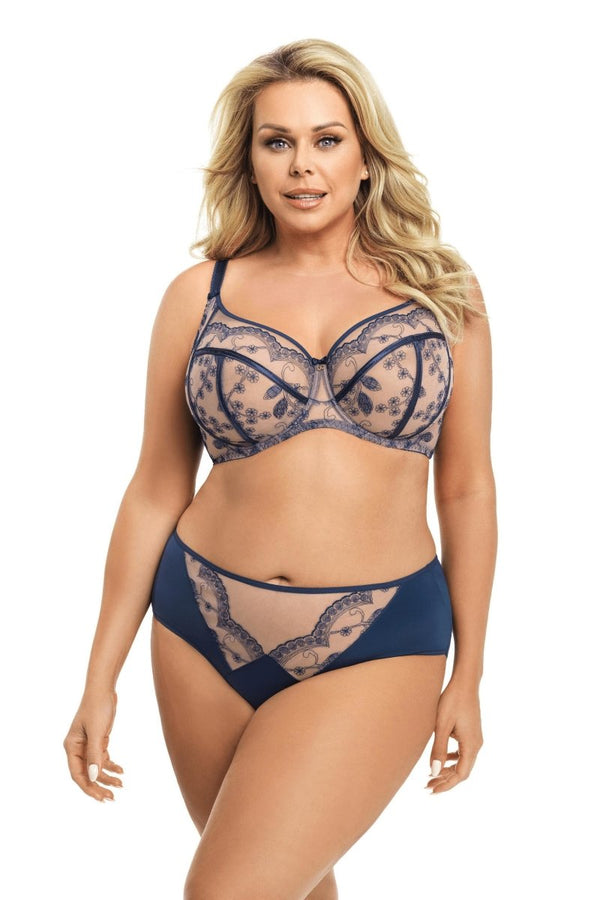
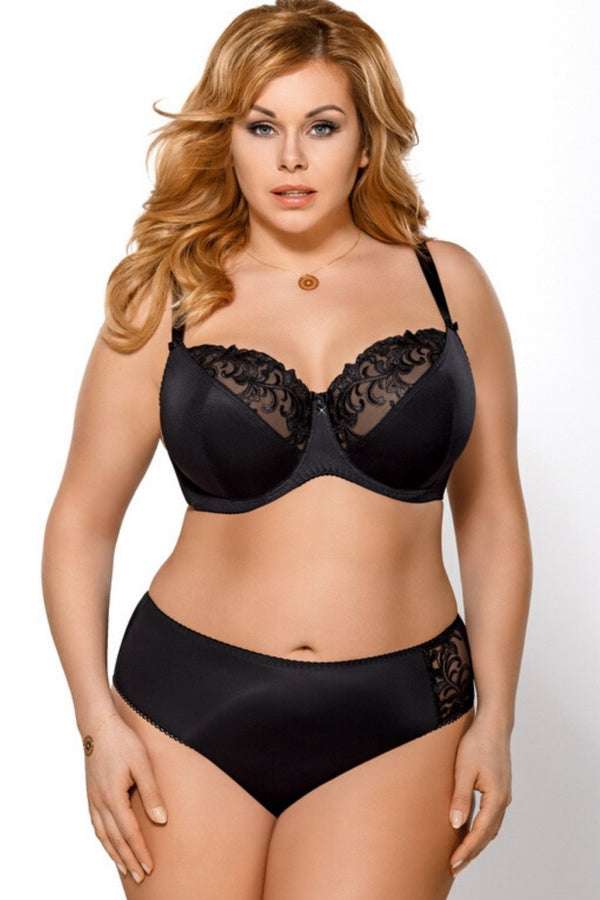
Multi-part cup construction Where a mass-market bra uses a single molded cup (or two pieces at most), Polish fuller-bust bras typically use four to six sewn panels per cup. Each panel is cut and angled to address a specific structural need: forward projection, side support, upper cup shaping, and lower cup anchoring. More seams, done with precision, means a cup that genuinely matches the shape of a larger breast rather than imposing a shape onto it.
U-type underwire geometry Polish manufacturers design underwires with a deeper, narrow U-curve that follows the natural anatomical footprint of a fuller bust. The underwire sits flush against the ribcage, fully encircling the breast from below. This distributes lift evenly across the entire base of the breast rather than concentrating pressure at two points.
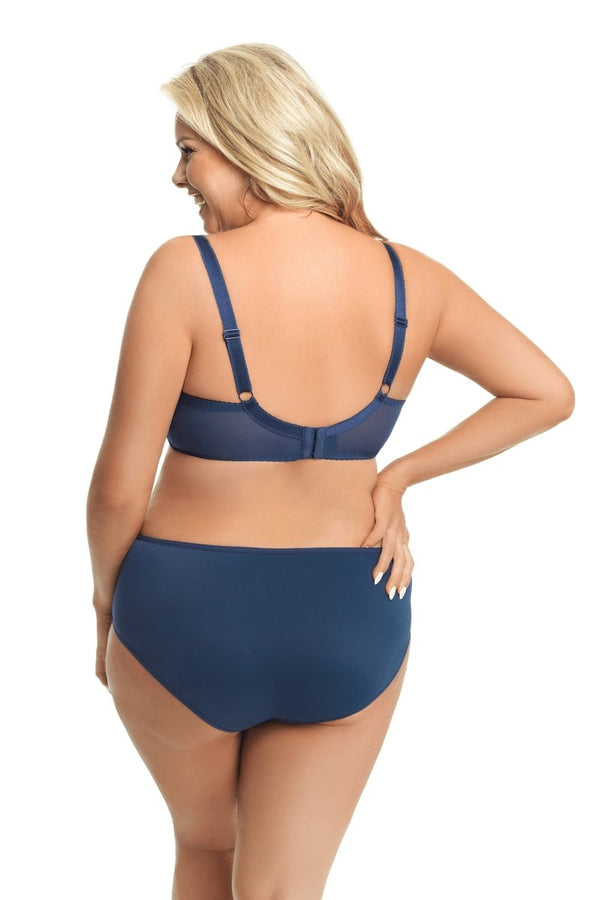
Structured side panels with boning channels The side panel — the fabric between the cup and the band on either side — is where most mass-market bras fail a fuller bust. Polish bras engineer side panels with internal boning channels: thin, flexible vertical supports that prevent the panel from collapsing inward throughout the day. The result is a bra that stays in place from morning to evening without migration or riding up.
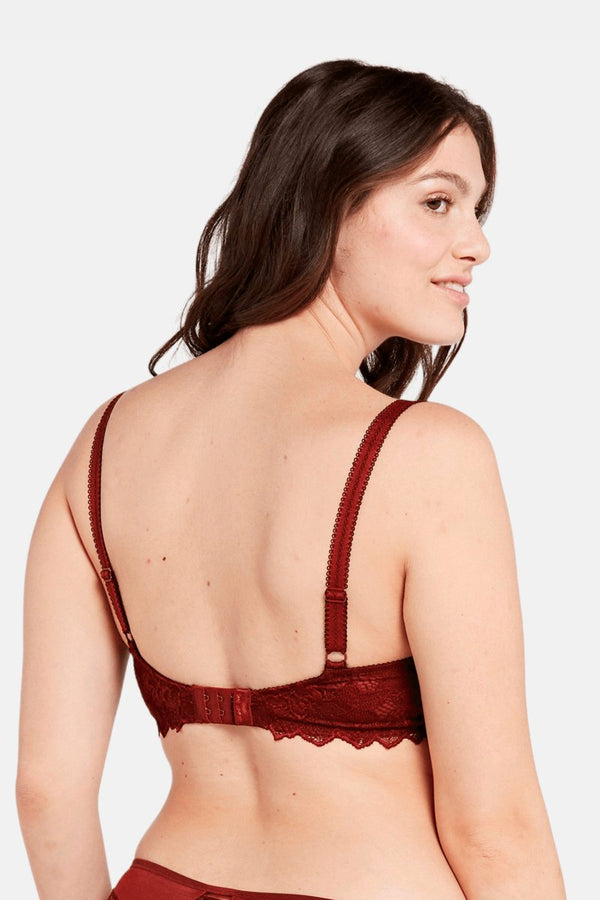
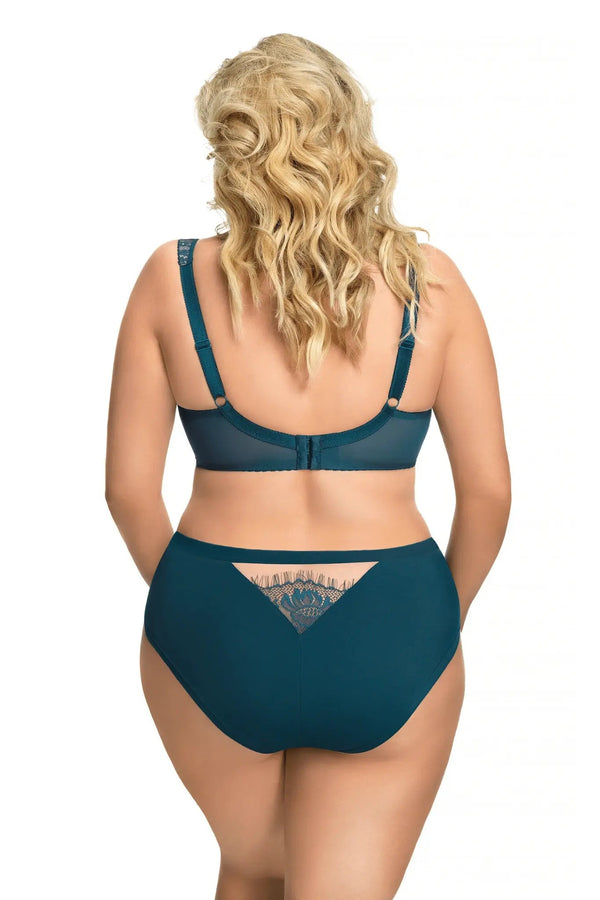
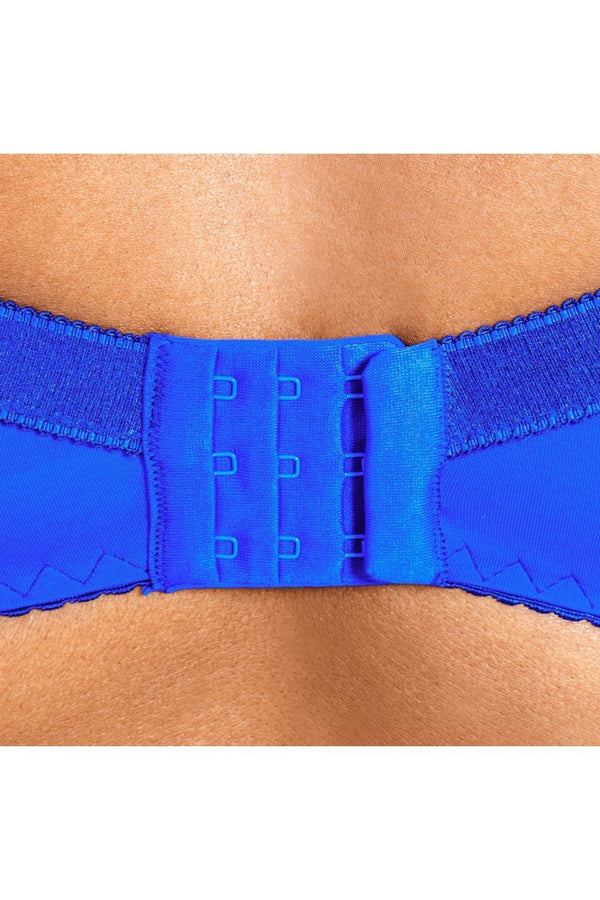
Band construction for heavier loads Polish bra bands are built with higher-density elastic and more hook-and-eye columns than standard bands — typically three columns minimum on fuller-bust styles. This provides the anchoring strength needed to support a heavier bust without the band stretching out within months.
The French Approach: Aesthetics as a Non-Negotiable
French bra makers — represented in our collection by Sans Complexe — bring a different but complementary philosophy.
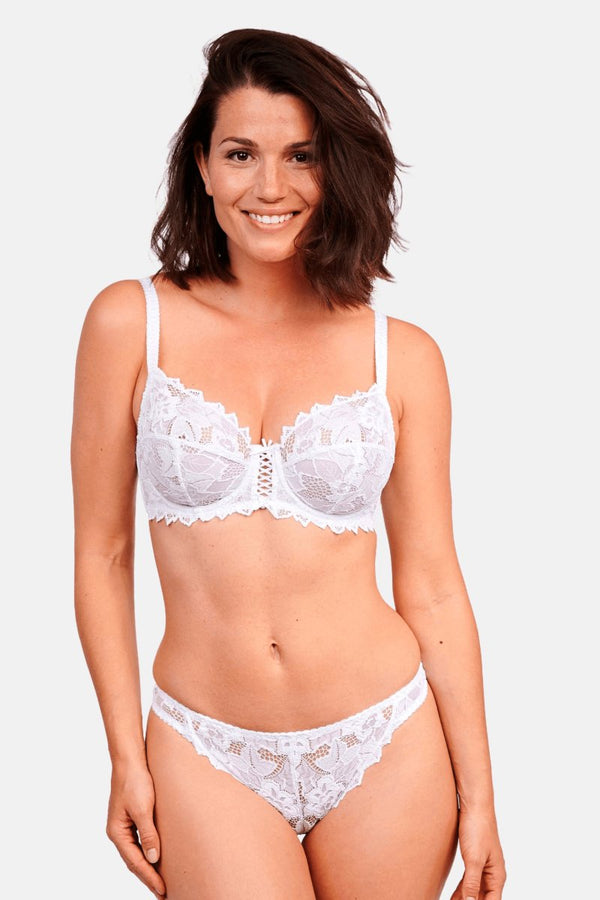
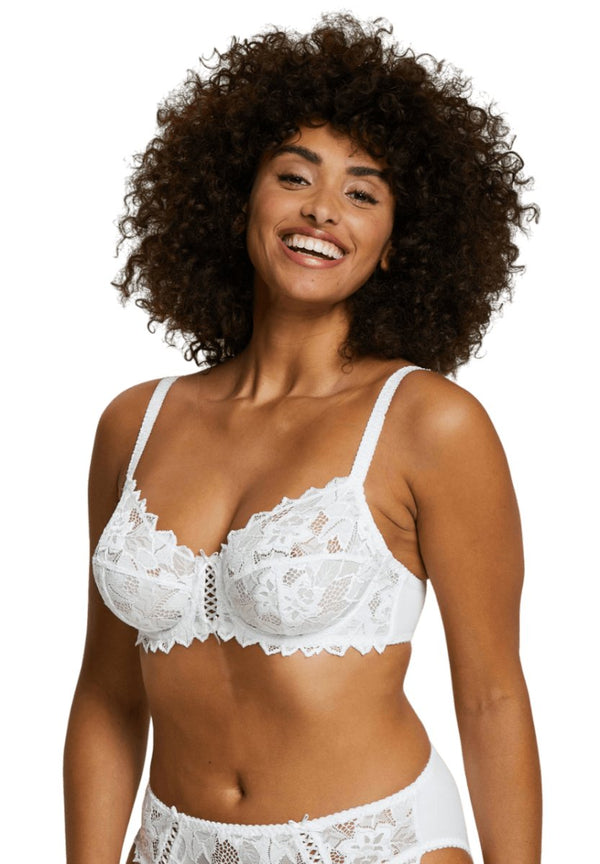
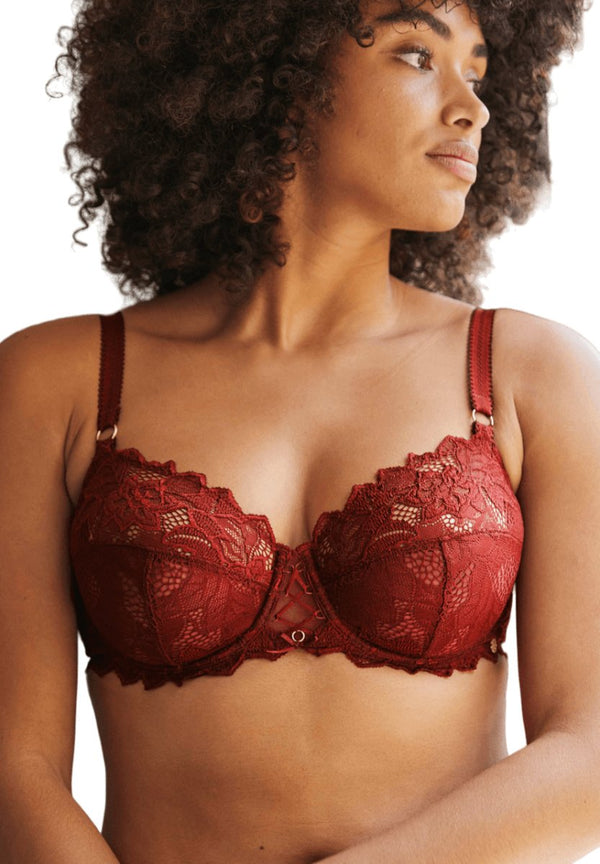
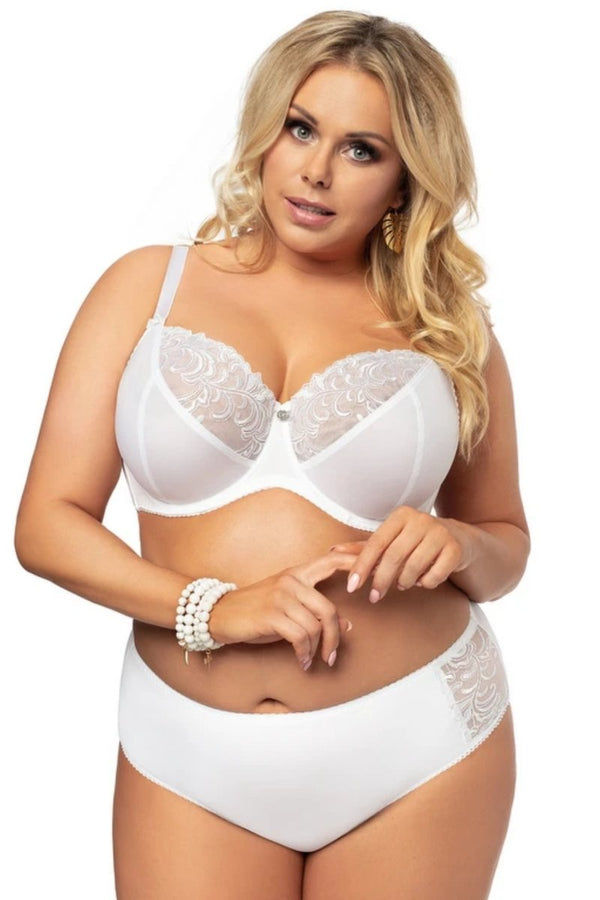
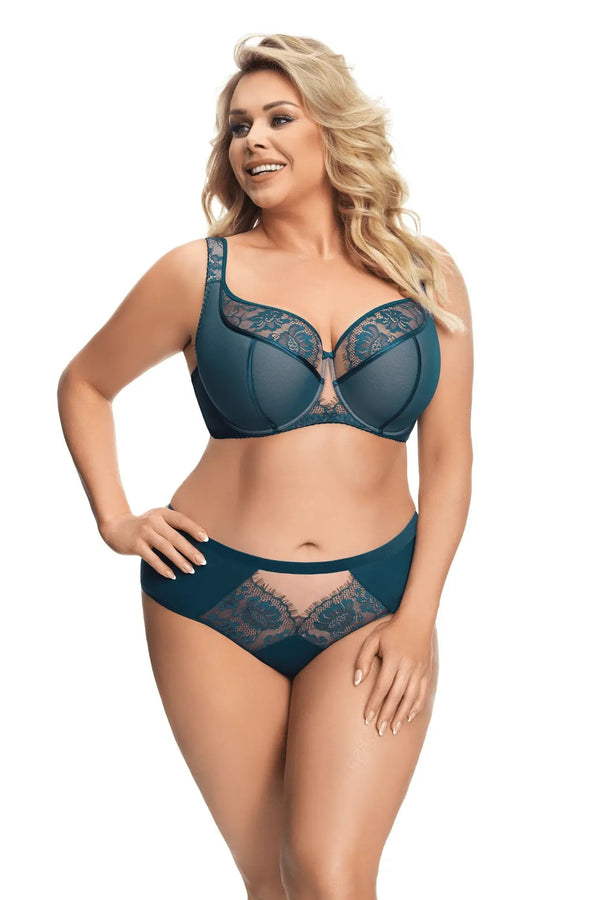
French bra design starts from the premise that a bra should feel luxurious and look beautiful regardless of size. Where the Polish tradition excels at structural engineering, the French tradition excels at the integration of that structure with fine materials: woven lace, satin trim, delicate embroidery, and colorways chosen for elegance rather than practicality.
Sans Complexe bras achieve something that US mass-market manufacturers rarely attempt at larger cup sizes: a bra that provides genuine support in F, G, and H cups while also being genuinely beautiful. Sheer lace cups. Plunge necklines. Rich burgundy, navy, and emerald colorways. The kind of bra you want to wear, not just the kind that functions.

Why This Matters for Your Body
For women with D cup and above — and especially for women in F, G, H, I, J, K, and beyond — the difference between a mass-market bra and a European-engineered one is not subtle. It shows up in how you feel by 2pm. It shows up in whether you have shoulder grooves at the end of the day. It shows up in whether you feel supported and comfortable, or whether you're counting the hours until you can take it off.
At Fit Au Max, every bra in our collection comes from Polish and French makers who have been solving these engineering problems for decades. We carry sizes B through M cup, 30 to 50 band — because the sizes US retailers have quietly stopped stocking are the sizes many women with larger busts actually need.
The construction is different. You'll feel it the first time you put one on.
Explore our European bra brands →
Why European bras? Read the full story →
Find your size — free consultation →
Browse bras by cup size →